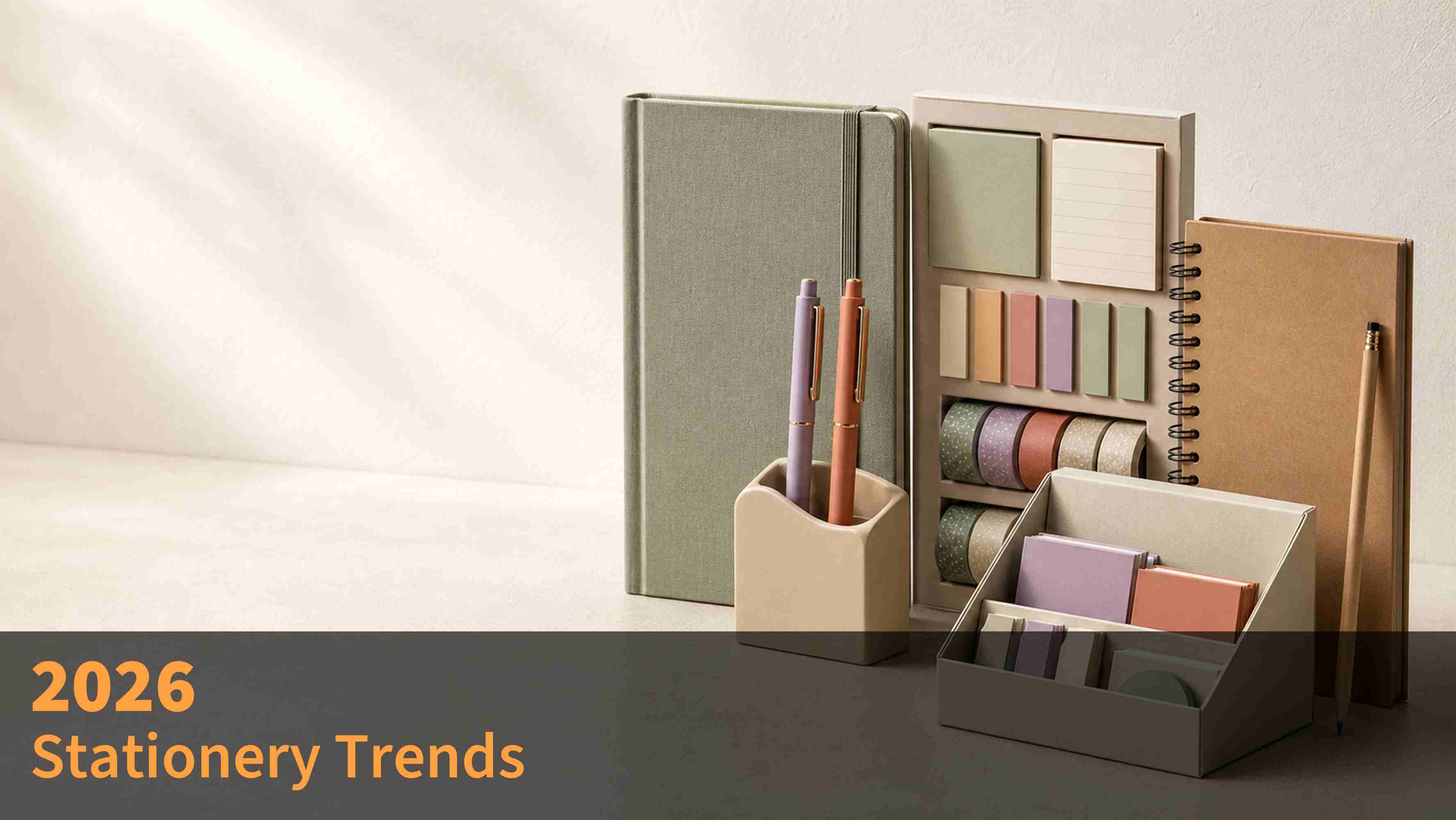

Sourcing for 2026: Why "Tactile Feel" is the Next Big Thing.
In a digital world, people crave touch. Soft-touch coatings, plush barrels, and textured paper are trending.
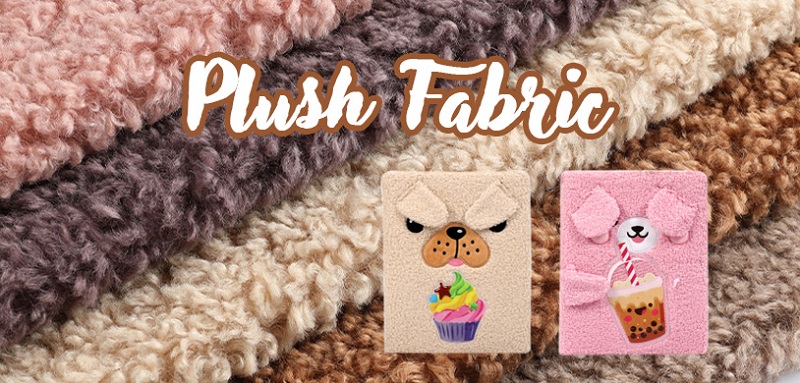
If you’re sourcing stationery for 2026, “tactile feel” isn’t just a trend—it’s the key to winning market share. This shift from functional tools to sensory experiences is driven by consumer demand, industry innovation, and technological breakthroughs, making it unmissable for buyers and brands alike.
1. Consumer Demand: From "Useful" to "Joyful"
●Today’s stationery buyers—led by Gen Z and Alpha generations—want more than just practicality. They’re chasing emotional resonance and sensory satisfaction through touch.
●67% of 18-25-year-old consumers are willing to pay a 30%+ premium for stationery with emotional and tactile appeal. For example, students prefer pens with soft silicone grips to ease long study sessions, while office workers crave textured notebooks that make meetings feel more engaging.
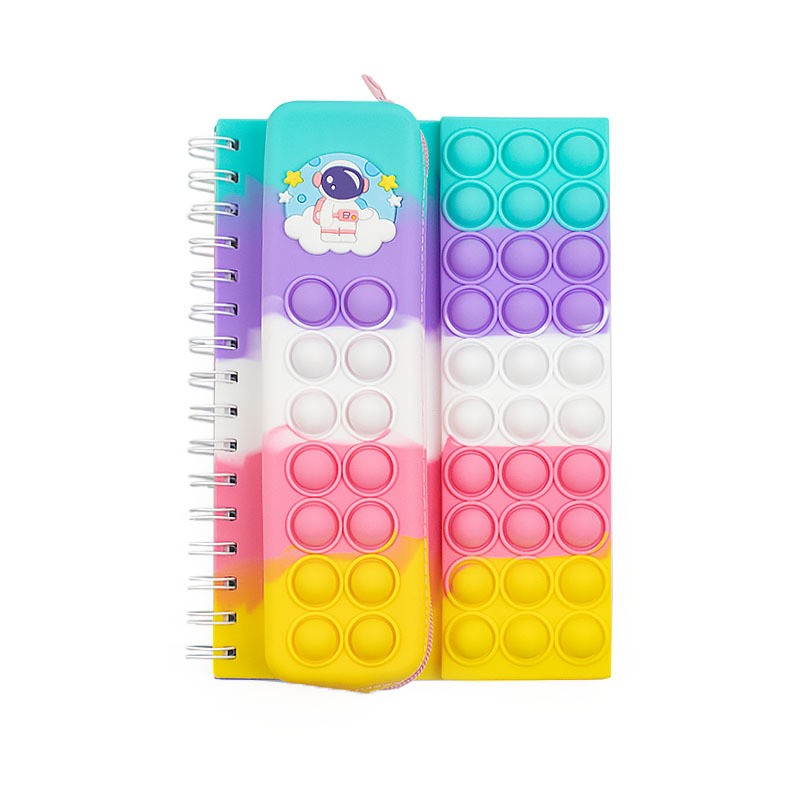
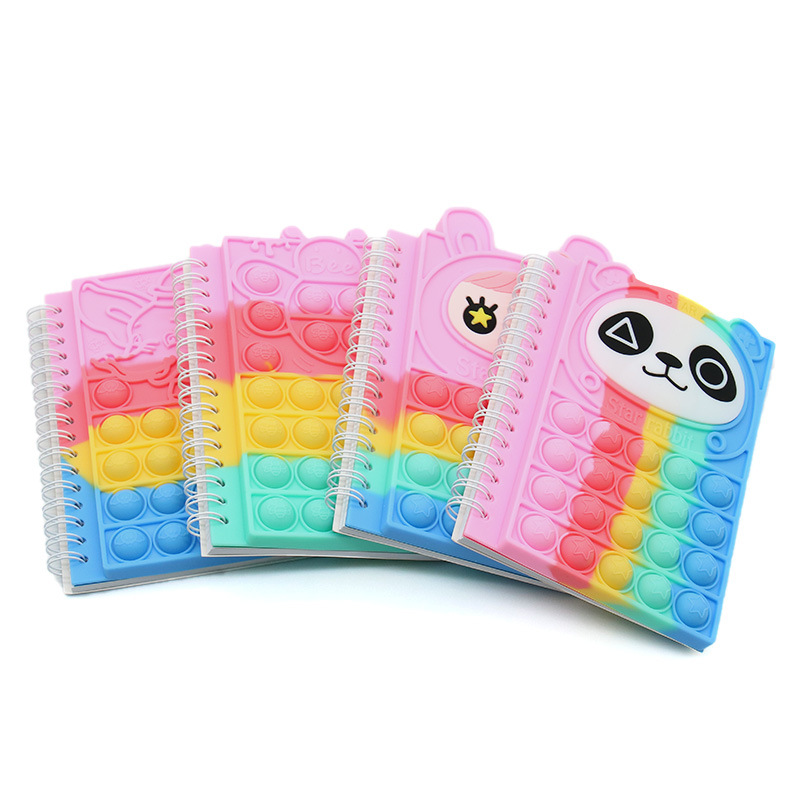
●“Therapeutic tactile” products are booming: Stress-relief notebooks, plush pen sleeves, and massaging pen grips (like M&G’s “Little Brush” pen with silicone massage dots) solve real pain points like writing fatigue.
2. Industry Disruption: Tactile Feel Breaks Homogeneity
The stationery industry has long struggled with severe product similarity—over 65% of products are highly homogeneous. Tactile innovation is the ultimate differentiation strategy:
●Brands are winning with unique textures: DareWorks’ aromatherapy pens combine soft rubber grips with scent diffusion, creating a “touch + smell” immersive experience that drew 3,000+ visitors at the 2025 Shenzhen Gift Show.
●Modular tactile design boosts loyalty: DIY assemble pens and magnetic interchangeable pen bodies let users customize touch and style, driving a 58% repurchase rate—far above the industry average of 23%.
●Trade shows are signaling the shift: The 2026 Shanghai Stationery Show will feature a “Tactile Technology Corridor” with haptic feedback drawing tablets and textured eco-friendly materials.
3. Technological & Material Innovation: Making Tactile Feel Accessible
Advancements in materials and manufacturing are turning tactile ideas into scalable, cost-effective products:
●Eco-friendly materials meet tactile needs: Biobased TPU (70% castor oil-derived) and cellulose-starch composites offer soft, skin-friendly textures while being 92% biodegradable. Brands like M&G and Deli are mass-producing these materials, with supply chain costs dropping 37% since 2020.
●Production scalability: 63% of injection molding factories now have equipment for tactile bio-based materials, making small-batch customization feasible for buyers.
4. Sourcing Tips for 2026: Capitalize on Tactile Trends
For buyers looking to source winning tactile stationery:
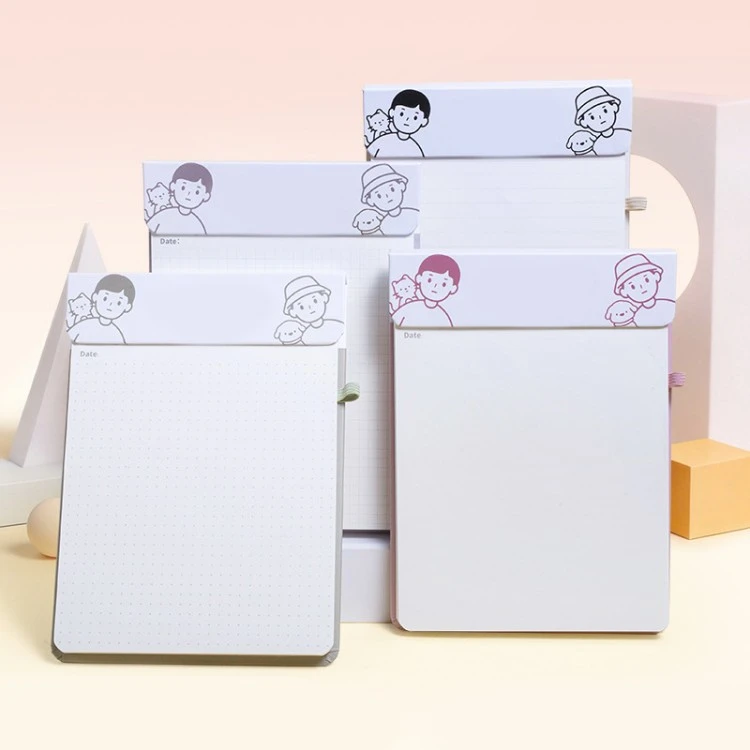
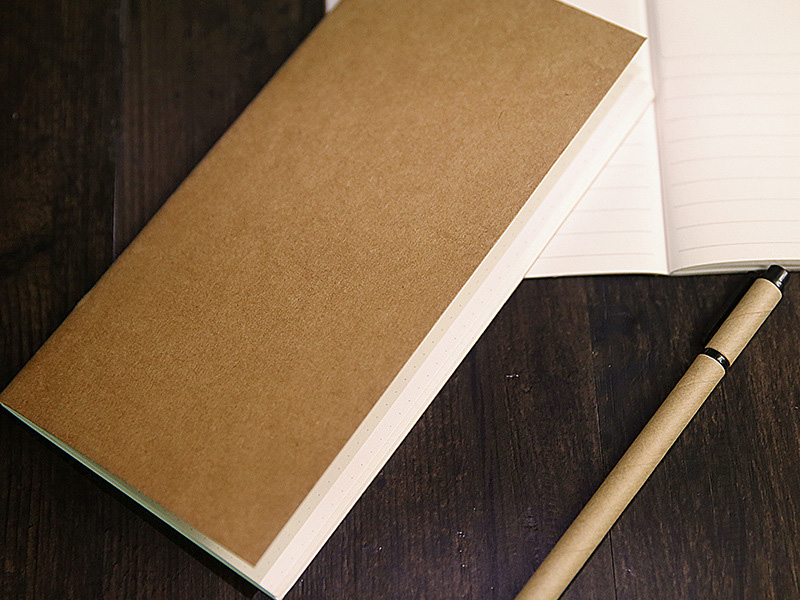
●Prioritize 3 high-potential categories: soft-grip writing tools (silicone, bio-based rubber), textured paper products (embossed notebooks, tactile stickers), and modular tactile sets (interchangeable pen bodies, assemble-your-own organizers).
●Verify material credentials: Look for eco-certifications (e.g., OK Compost, Green Compost) and durability tests—tactile features shouldn’t wear out within 6 months of regular use.
●Partner with innovative brands: Collaborate with manufacturers like DareWorks (haptic and sensory integration) or M&G (user-centric tactile design) to access exclusive designs.
Tactile feel is redefining stationery from a “functional purchase” to an “experience product.” By 2030, the global emotional tactile stationery market will hit $4.8 billion—2026 is the year to lock in sourcing partnerships and lead this trend.
Would you like me to create a 2026 Tactile Stationery Sourcing Checklist with key product categories, material standards, and top supplier contacts?
Related News
- Notebook Binding: Choose the Structure, Set the Specifications, Plan Production
- Print Finishing Techniques: Lamination, Foil, UV, Embossing & Die Cutting
- Paper Printing Methods: How B2B Buyers Can Choose the Right Printing Process
- How Should B2B Buyers Compare Packaging Costs for Cross-Border Stationery Orders
- Sewn, Spiral or Glue Binding: Which Notebook Construction Is Best?
- OEM vs ODM Stationery for Retail Brands: How to Choose the Right Sourcing Model
Leave me a message