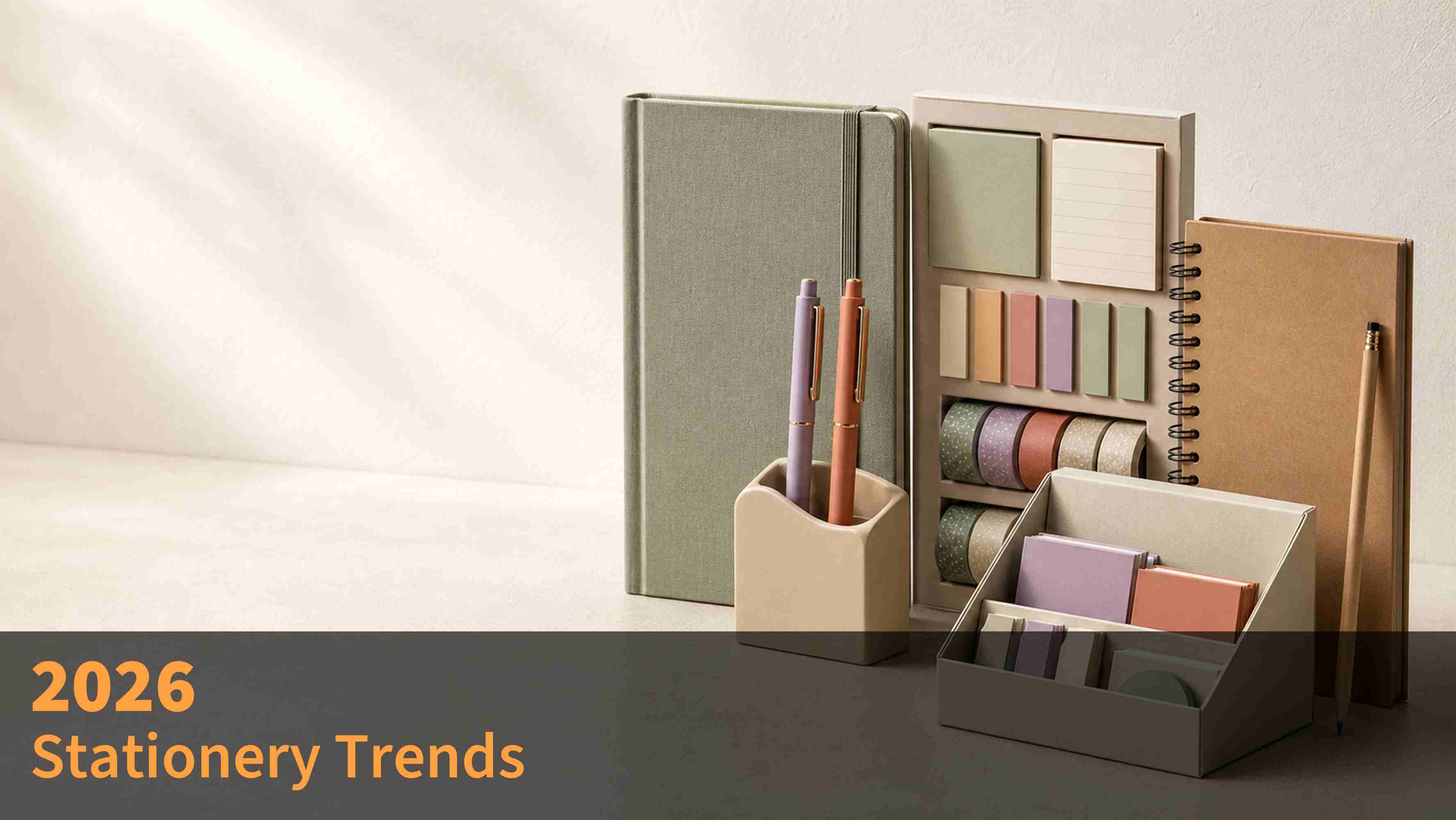

2026 Stationery Trends: Which Products Should Retail Buyers Source?
The most relevant stationery trends for retail buyers in 2026 are tactile paper products, giftable writing instruments, coordinated journaling collections, verified sustainable materials and retail-ready private-label packaging. However, buyers should not select products from appearance alone. Sell-through potential also depends on price positioning, writing performance, packaging volume, reorder availability, compliance documents and the supplier's ability to maintain color and material consistency.
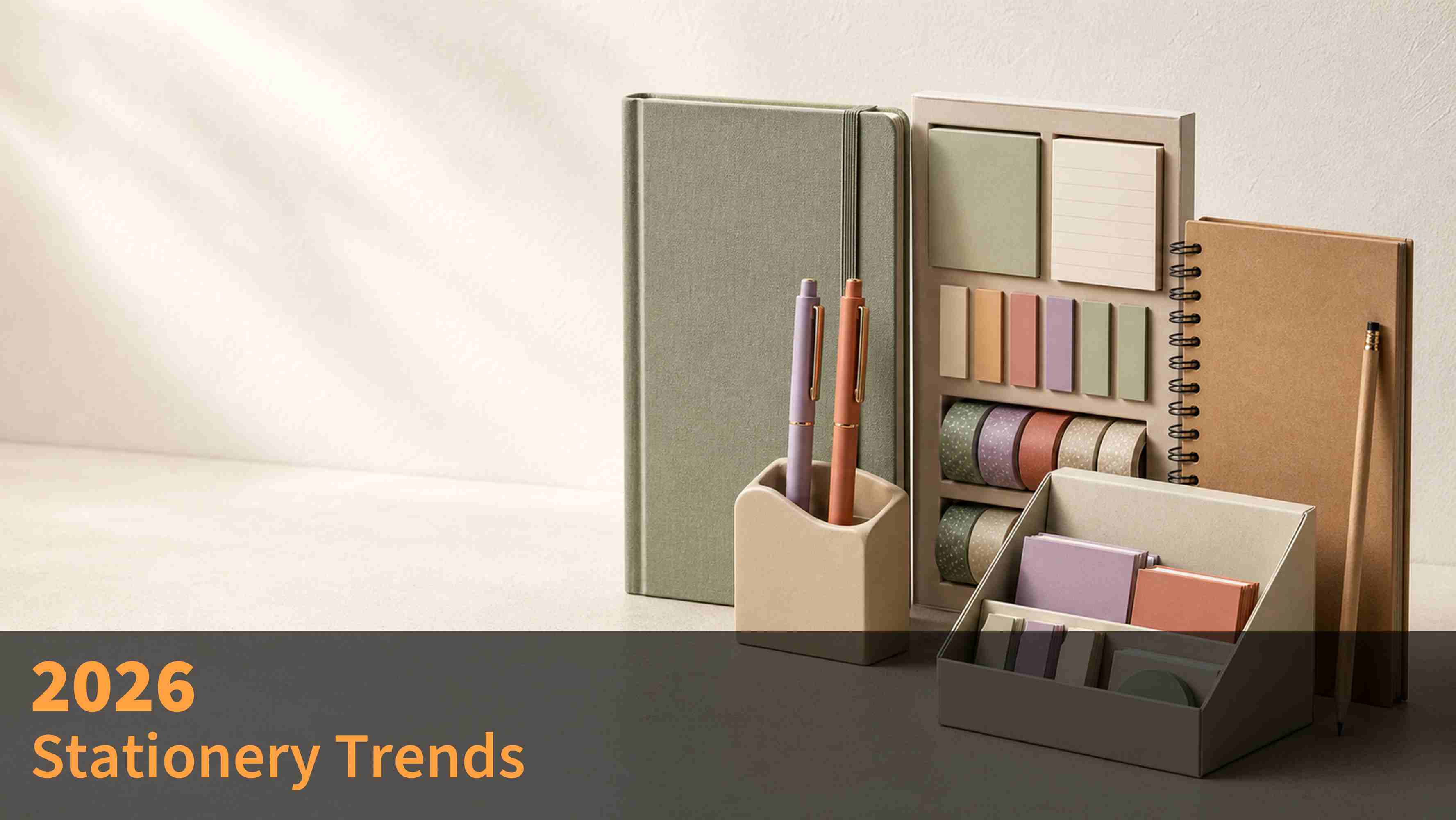
2026 stationery trends for retail buyers
Public retail and trade-show data support a shift toward products that combine function, visual appeal and a clear material story. The practical sourcing question is therefore not simply which stationery products look new, but which trends can be converted into repeatable, margin-conscious retail assortments.
Which 2026 stationery trends are most relevant to retailers?
Five product directions currently have the clearest relevance to stationery and gift retailers:
● Tactile notebooks and journals
● Giftable pens and compact writing accessories
● Coordinated journaling and creative stationery collections
● Stationery made with verifiable sustainable materials
● Private-label products designed for shelf or counter display
HKTDC's 2026 stationery trend overview highlights color, texture, technology and sustainable materials. Messe Frankfurt's preview of Ambiente and Creativeworld also emphasizes colors, surfaces, materials, premium writing instruments, school supplies and creative products for retail assortment planning. Wholesale marketplace Faire takes a similar category-based view: notebooks, notepads, greeting cards, pens, desk accessories and related paper goods can be sourced as a coordinated stationery section rather than as isolated items.
For retail buyers, the commercial opportunity lies in assembling related products around a recognizable use case-for example, journaling, gifting, studying or desk organization.
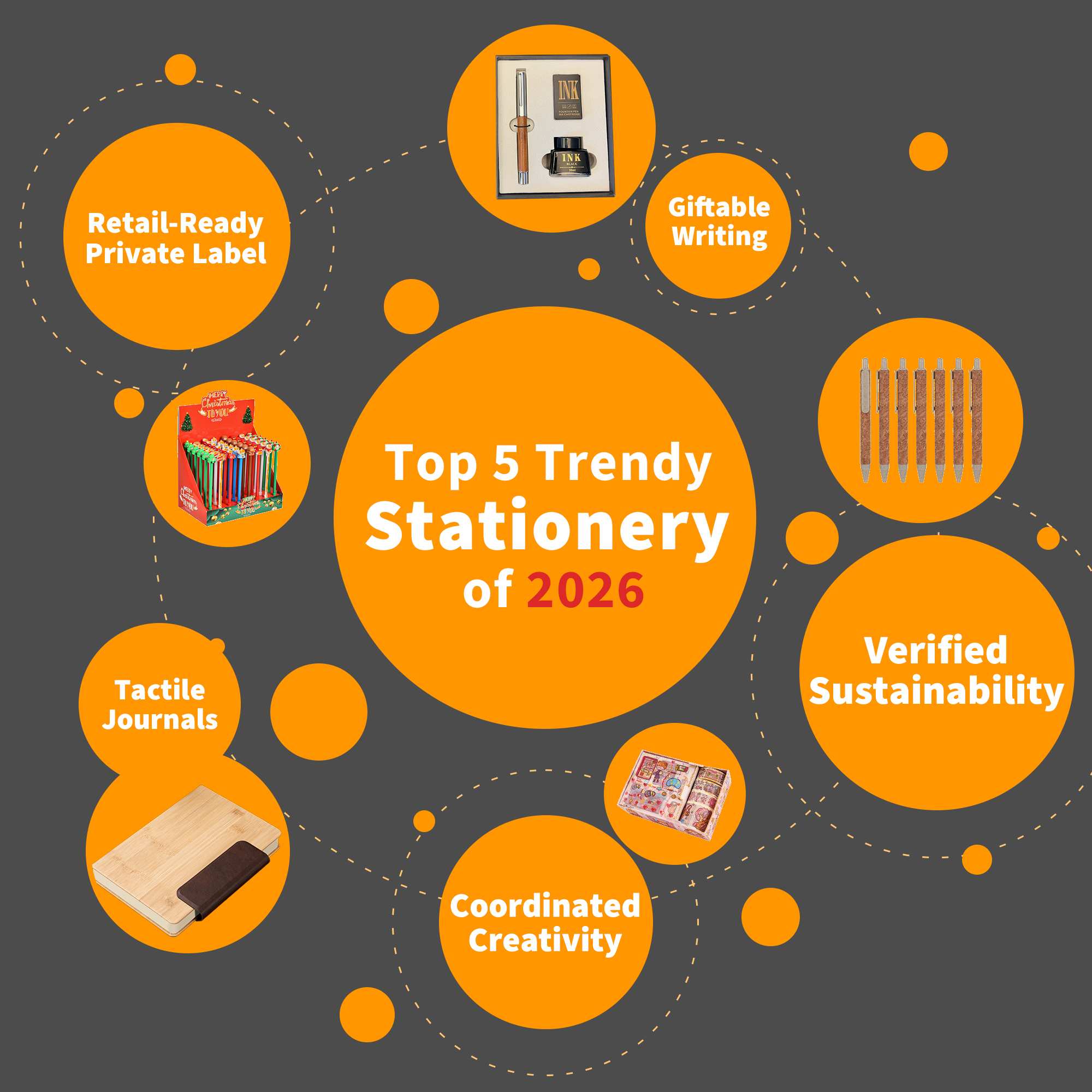
Five wholesale stationery product trends for 2026
Why are tactile notebooks and journals attracting buyer attention?
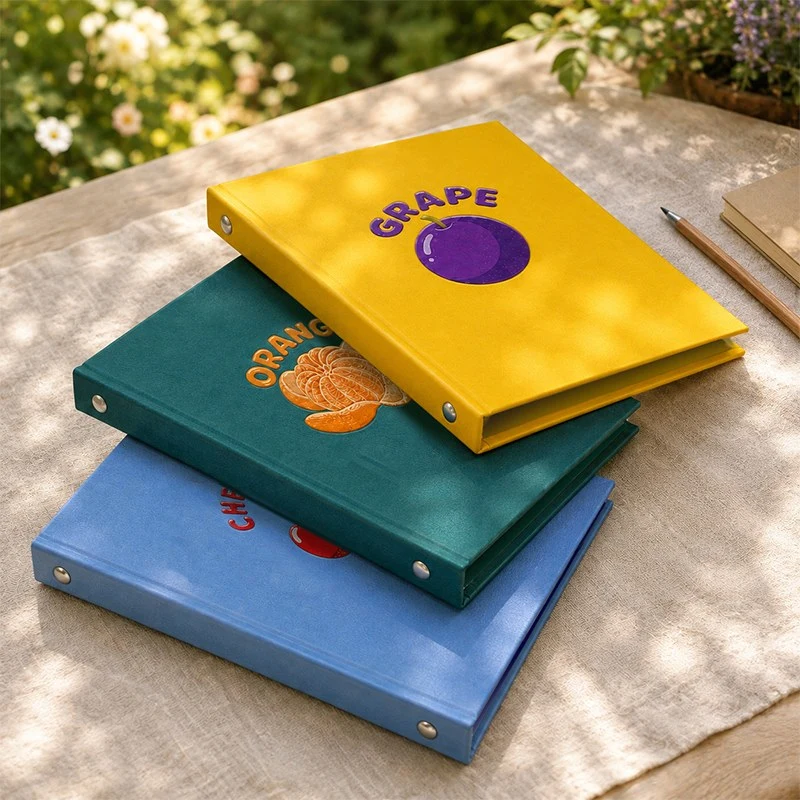
Tactile notebooks give physical retailers and online shops a product story that cannot be communicated through page count alone. Cover texture, binding, paper appearance, edge treatment and packaging can distinguish one notebook from another even when their basic formats are similar.
| Specification | What the buyer should evaluate |
|---|---|
| Paper weight | Show-through, writing feel and total product weight |
| Paper color | Bright white, natural white or cream |
| Binding | Lay-flat performance, page security and appearance |
| Cover material | Scuff resistance, moisture sensitivity and print consistency |
| Surface treatment | Foil, embossing, debossing, screen printing or UV printing |
| Inner-page design | Blank, ruled, grid, dotted or custom |
| Retail packaging | Belly band, paper sleeve, OPP bag or gift box |
| Carton configuration | Units per carton, gross weight and shipping volume |
A heavier paper specification is not automatically the correct choice. Higher paper weight may improve opacity, but it can also increase notebook thickness, carton weight and freight cost. A buyer selling compact, price-sensitive school notebooks may make a different decision from a gift retailer selling premium journals.
The bulk sample should also be compared with the approved sample for paper color, cover color, binding alignment, foil position and page sequence. These differences are easy to overlook when approval is based only on photographs.
Which writing instruments work best as giftable retail products?
Giftable pens work best when the product, visual design and packaging support the same retail price position. Decorative features alone do not make a pen suitable for repeat purchase.
● Writing consistency after storage
● Ink flow at the beginning of use
● Line width and ink color
● Cap fit or retractable mechanism
● Clip strength
● Barrel printing resistance
● Refill compatibility
● Product and packaging dimensions
● Barcode placement
● Display-box stability
A novelty pen may generate initial attention but perform poorly if the writing unit skips, leaks or dries out. Conversely, a reliable writing instrument may still be unsuitable for gifting if its packaging occupies excessive shelf space or does not protect the decorated surface.
For countertop sales, compact display packaging can be more useful than an individual color box. For e-commerce, stronger individual protection may be necessary because the product will pass through parcel distribution rather than travel in a full retail carton.
See an example of a custom gift-boxed pen for wholesale retail
How can retailers build a coordinated journaling collection?
A coordinated journaling collection should use a controlled visual system across a limited number of products. Adding more SKUs does not necessarily create a stronger assortment.
● One or two notebook formats
● Coordinated gel pens
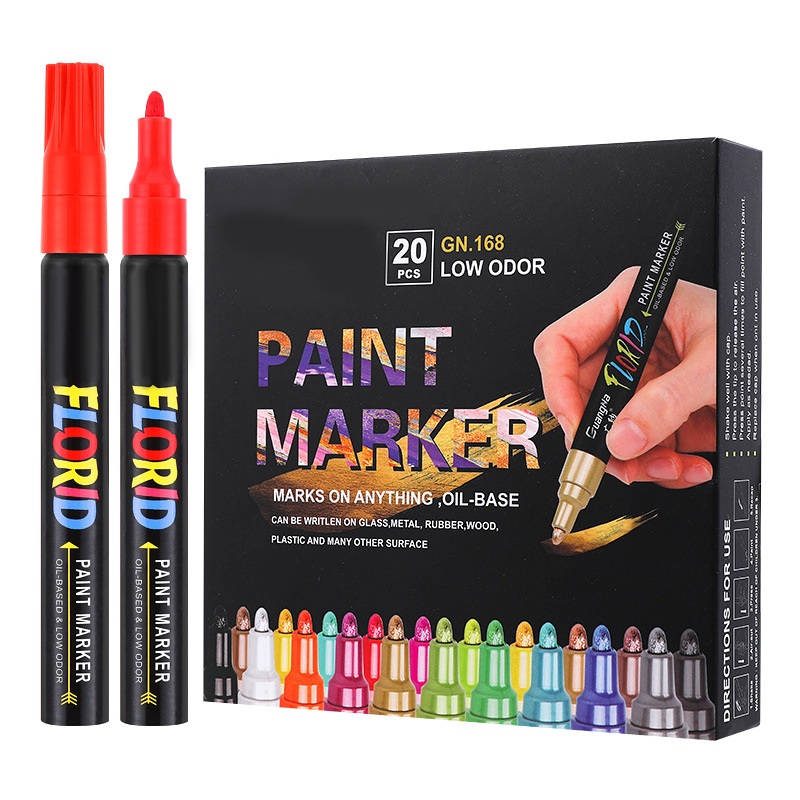
● Highlighters or markers
● Sticky notes
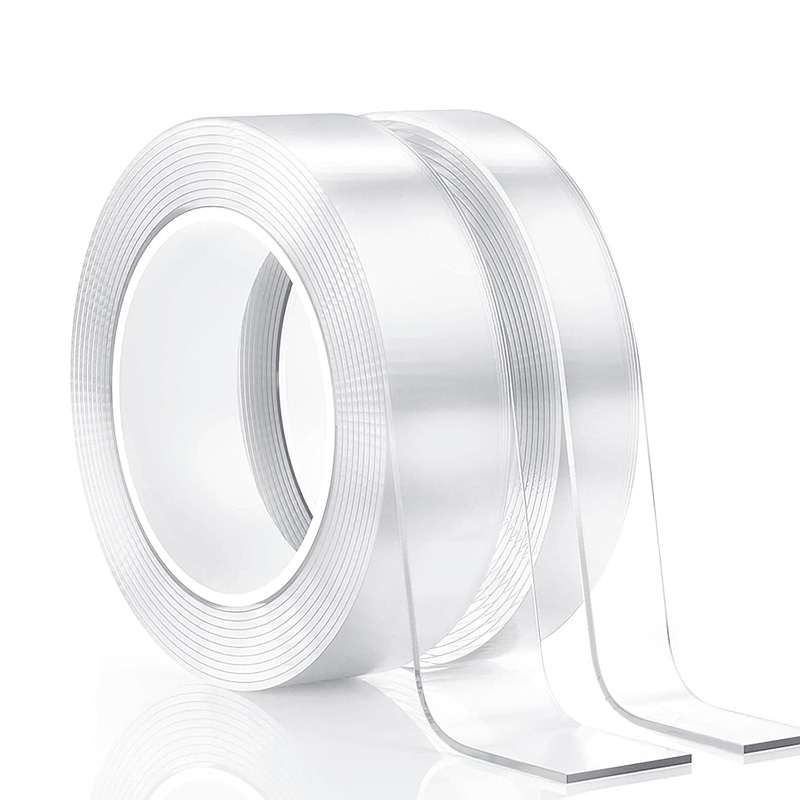
● Decorative tapes
● Stickers or page tabs
● A pouch or storage accessory
The buyer should confirm whether the colors are intended to be identical or merely coordinated. Different products may use paper, PP, ABS, fabric and ink supplied from separate production sources. A single digital color reference is often insufficient to produce an identical visual result across every material.
For mixed stationery orders, buyers should approve physical color samples under consistent lighting and define which item serves as the master color reference. A common mistake is to compare only unit prices. Mixed collections may also involve separate sampling, printing setup, consolidation, sorting, set assembly and combined inspection costs.
See an example of a coordinated vintage stationery set for wholesale retail
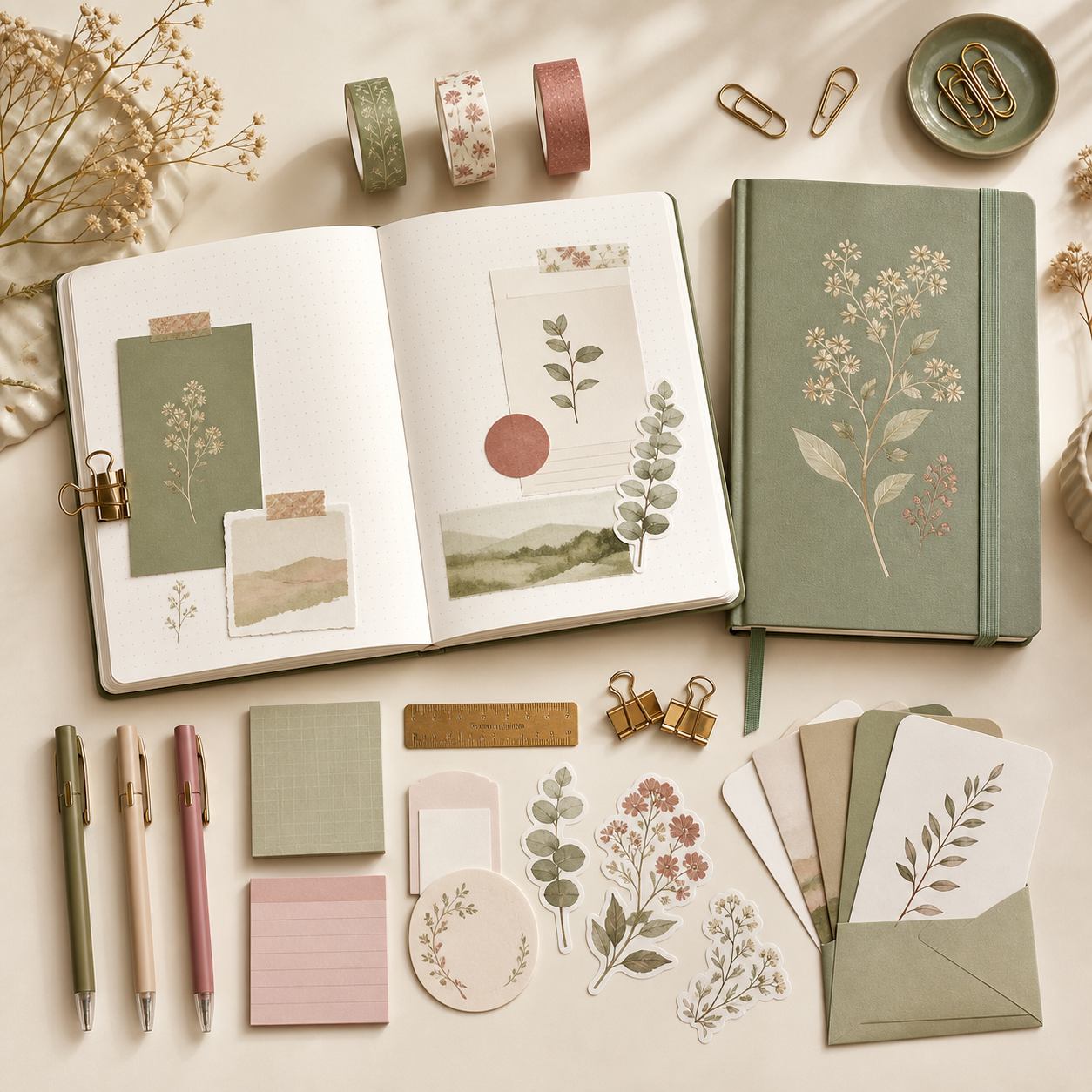
Coordinated journaling stationery collection for wholesale
What makes sustainable stationery credible to retail buyers?
Sustainable stationery is commercially credible when its material claim can be connected to verifiable documentation and accurate packaging language. Terms such as 'green' or 'earth-friendly' are not sufficient evidence by themselves.
● Paper source and chain-of-custody documentation
● Recycled-content information
● Material composition
● Applicable supplier certificates
● Product-specific transaction documents
● Packaging material
● Refill or replacement-part availability
● Disposal or recycling instructions
● The exact environmental claim printed on the package
Buyers should not assume that a general company certificate applies to every product, material or shipment. A notebook may use qualifying paper while also containing a laminated cover, elastic band, metal spiral and plastic packaging. The buyer should define whether the retail claim refers to the paper, the packaging or the complete product.
Plastic-free packaging can reduce unnecessary material, but it is not suitable for every item. Paper bands and sleeves may provide insufficient protection for light-colored covers, decorated pens or products exposed to humid transport conditions.
See an example of customizable eco-friendly kraft paper stationery for wholesale retail

Sustainable stationery materials and plastic-reduced packaging
How should retailers evaluate private-label stationery?
Private-label stationery should be evaluated as a development project, not simply as a logo-printing service. The selected customization level determines cost structure, minimum quantities, sampling requirements and schedule.
| Customization level | Typical changes | Main buyer consideration |
|---|---|---|
| Stock product | Existing product and packaging | Suitable for testing demand |
| Logo customization | Printed or decorated logo | Printing setup and artwork quality |
| Color customization | Buyer-selected product colors | Material color minimums and consistency |
| Packaging customization | Branded sleeve, card, box or display | Printing minimum and shipping volume |
| Structural customization | New size, parts or tooling | Development cost and testing requirements |
| Full collection | Multiple coordinated products | Cross-source consistency and consolidation |
The exact MOQ depends on the selected material, printing process, packaging and order quantity. A custom stationery set is usually constrained by the component or packaging element with the highest production minimum-not simply by the requested number of completed sets.
Retailers testing a new range should consider existing products with controlled branding before investing in structural changes or highly customized boxes.
What quality risks can follow a stationery trend?
Trend-focused stationery can introduce additional quality risks because appearance, materials and multiple decorations become part of the product specification.
● Color differences between samples and bulk production
● Foil or printed logos positioned incorrectly
● Notebook covers scratched during packing
● Paper showing excessive ink bleed-through
● Pens skipping after storage
● Highlighter caps fitting too loosely
● Sticky-note adhesive performing inconsistently
● Decorative accessories missing from mixed sets
● Retail boxes becoming crushed in master cartons
● Barcodes becoming unreadable on curved or reflective surfaces
The pre-shipment inspection should cover function, appearance, quantity, packaging and product identification. Buyers should also request final carton dimensions and weights before confirming the shipping method. A presentation box may improve shelf appeal but reduce the number of products that fit into a shipping carton.
What should buyers include in a 2026 stationery RFQ?
A complete stationery request for quotation should allow suppliers to compare the same specification instead of making different assumptions.
● Target country or market
● Buyer type and sales channel
● Product category
● Reference image or existing product
● Required dimensions
● Material and performance requirements
● Estimated quantity per SKU
● Number of colors or designs
● Logo file and printing position
● Inner and retail packaging
● Barcode and labeling requirements
● Required testing or compliance documents
● Inspection requirements
● Destination port or delivery address
● Requested trade term
● Target delivery window
Buyers should avoid asking only for 'the best price.' A low initial quotation may exclude customized packaging, print setup, testing, consolidation, inspection or other project-specific requirements.
What compliance information should retailers confirm?
Compliance requirements depend on the product, intended age group and destination market. Retailers should classify the product before deciding which documents are required.
EU importers are responsible for ensuring that products imported from outside the EU conform to applicable requirements. European Union guidance also identifies labeling, instructions and language requirements as importer considerations. Products intended for children may be subject to requirements that differ from general office products. Final requirements should be confirmed for the specific product and target market before production and packaging approval.
What stationery trends should buyers avoid following blindly?
Retailers should avoid adopting a trend when the product has no defined selling channel, target price or replenishment plan.
● Premium packaging for a highly price-sensitive product
● Many color variants with a low quantity per color
● Custom molds for an untested seasonal concept
● Environmental claims without supporting documents
● Mixed sets without a master color and packaging specification
● Large display boxes for e-commerce-only sales
● Trend colors that cannot be consistently reproduced across materials
● Licensed designs without verified authorization
● Products selected only from photographs without functional samples
Frequently Asked Questions
What stationery products are trending in 2026?
Tactile notebooks, coordinated journaling products, giftable writing instruments, sustainable-material options and private-label stationery are among the most visible directions. Suitability still depends on the retailer's market, price point and sales channel.
Should a small retailer start with custom stationery?
A small retailer can start with stock products, logo customization or a limited packaging change. Full structural customization may not be appropriate until demand and repeat-order potential are tested.
Is eco-friendly packaging always better?
Eco-friendly packaging is useful when the material claim is accurate and the packaging still protects the product. A paper sleeve may not adequately protect every decorated or light-colored item during transport.
How should buyers compare stationery suppliers?
Buyers should compare sample consistency, product range, customization, quality-control support, packaging coordination, compliance documentation and shipment handling. Unit price alone does not show the total sourcing cost.
What should buyers inspect before shipment?
Buyers should inspect product dimensions, color, printing position, writing or functional performance, packaging completeness, barcode accuracy, assortment quantity and master-carton condition.
Next Step for Retail Buyers
Retail buyers preparing a 2026 stationery assortment should send their target market, sales channel, preferred product categories, estimated quantity per SKU, customization level, packaging requirements and delivery window. A stationery supply chain partner can then evaluate whether stock products, private-label customization or a coordinated multi-product program is the more practical sourcing route.
Related News
- Print Finishing Techniques: Lamination, Foil, UV, Embossing & Die Cutting
- Paper Printing Methods: How B2B Buyers Can Choose the Right Printing Process
- How Should B2B Buyers Compare Packaging Costs for Cross-Border Stationery Orders
- Sewn, Spiral or Glue Binding: Which Notebook Construction Is Best?
- OEM vs ODM Stationery for Retail Brands: How to Choose the Right Sourcing Model
- Pencil Case Materials, Styles, Features Guide
Leave me a message