
Sewn, Spiral or Glue Binding: Which Notebook Construction Is Best?
No single notebook binding is best for every order. Thread-sewn construction is usually the strongest option for notebooks intended for long-term use or a premium appearance. Spiral binding is preferable when pages must open fully, fold backward, or remain flat during writing. Glue binding offers a clean spine and can be economical for suitable page counts, but its performance depends heavily on the adhesive, paper, spine preparation, and production control. Buyers should compare writing behavior, durability, appearance, page count, packaging, and target price - not binding cost alone.
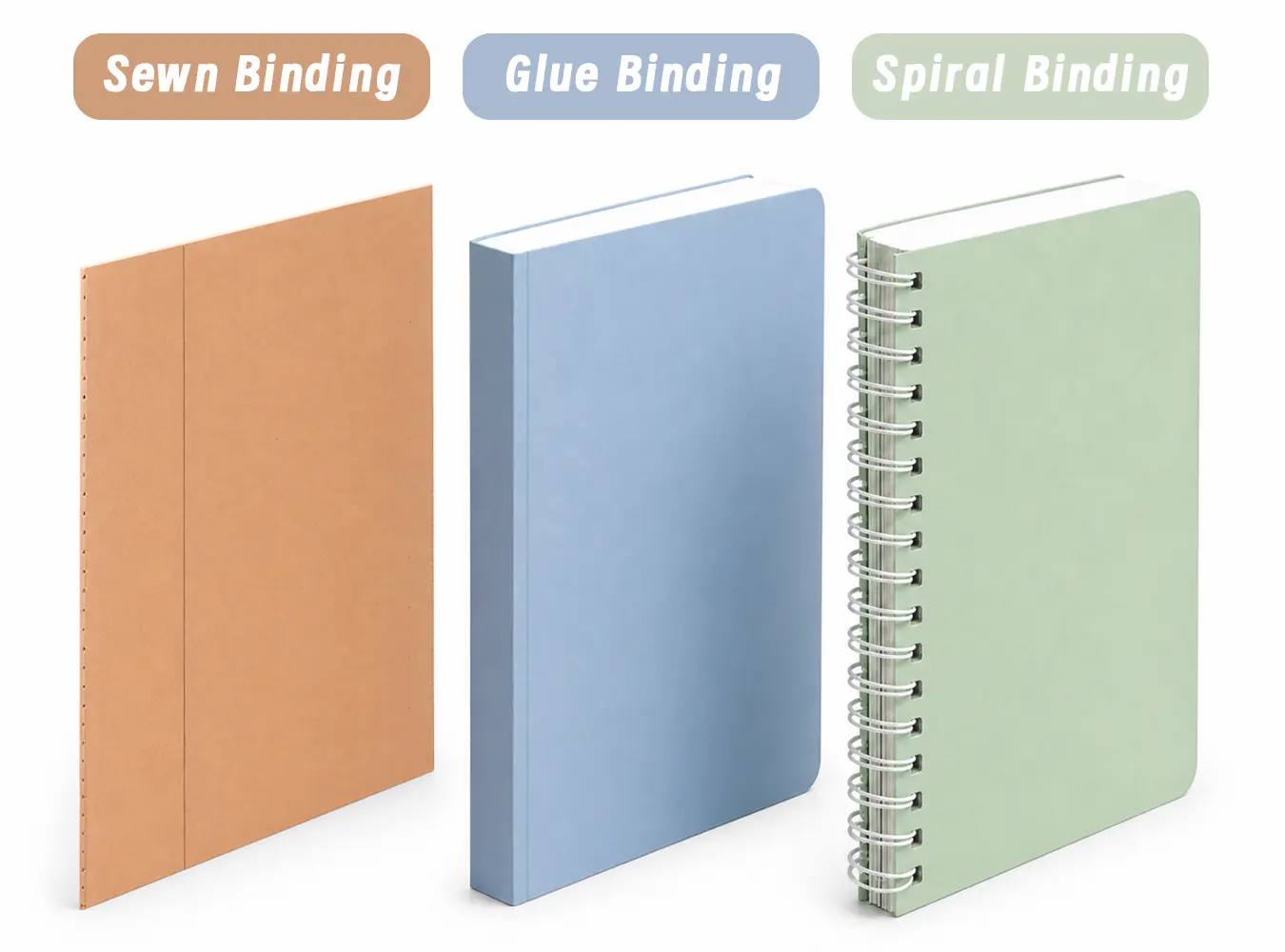
Figure 1. Sewn, glue-bound, and spiral notebook constructions at a glance.
What Will the Notebook Be Used For?
The notebook's use case should determine the binding method before buyers compare quotations. A binding that works for a promotional notebook may be unsuitable for a frequently used school, laboratory, or professional journal.
● Long-term journaling or recordkeeping: Thread-sewn construction offers better resistance to repeated opening and page pulling.
● Classroom notes, recipes, fieldwork, or desk use: Spiral construction makes it easy to keep the notebook open or fold the cover behind the pages.
● Promotions, conferences, and price-sensitive retail ranges: Glue binding can provide a neat, printable spine when the construction is matched to the page count.
● Premium gifting: Thread-sewn sections combined with a hardcover can create a more substantial appearance.
● Compact writing spaces: Spiral notebooks are practical because one side can fold completely behind the other.
Buyers should also define the expected product life. A notebook intended for a short event does not need the same construction as a journal expected to remain intact for years.
How Do the Three Binding Methods Differ?
The main differences concern how pages are held together and how the notebook behaves when opened.
| Method | Construction and opening | Main strength | Limitation and suitable use |
|---|---|---|---|
| Thread-sewn | Folded sections are stitched and assembled into the cover. Comfortable opening depends on the complete spine and cover structure. | Strong page retention and a premium, book-like appearance. | More production steps and tighter control. Suitable for journals, premium notebooks, and long-life records. |
| Spiral or coil | Punched sheets are held by wire or plastic coil. Opens flat and can fold backward. | Convenient writing and flexible page or insert configurations. | Coil deformation and punched-hole damage are possible. Suitable for school, training, recipe, field, and desk notebooks. |
| Glue-bound | Pages are secured at the spine with adhesive. Opening flexibility depends on paper, spine width, adhesive, and cover design. | Clean square spine and straightforward branding. | Weak processing can cause cracking or loose pages. Suitable for promotional, retail, and general-purpose notebooks. |
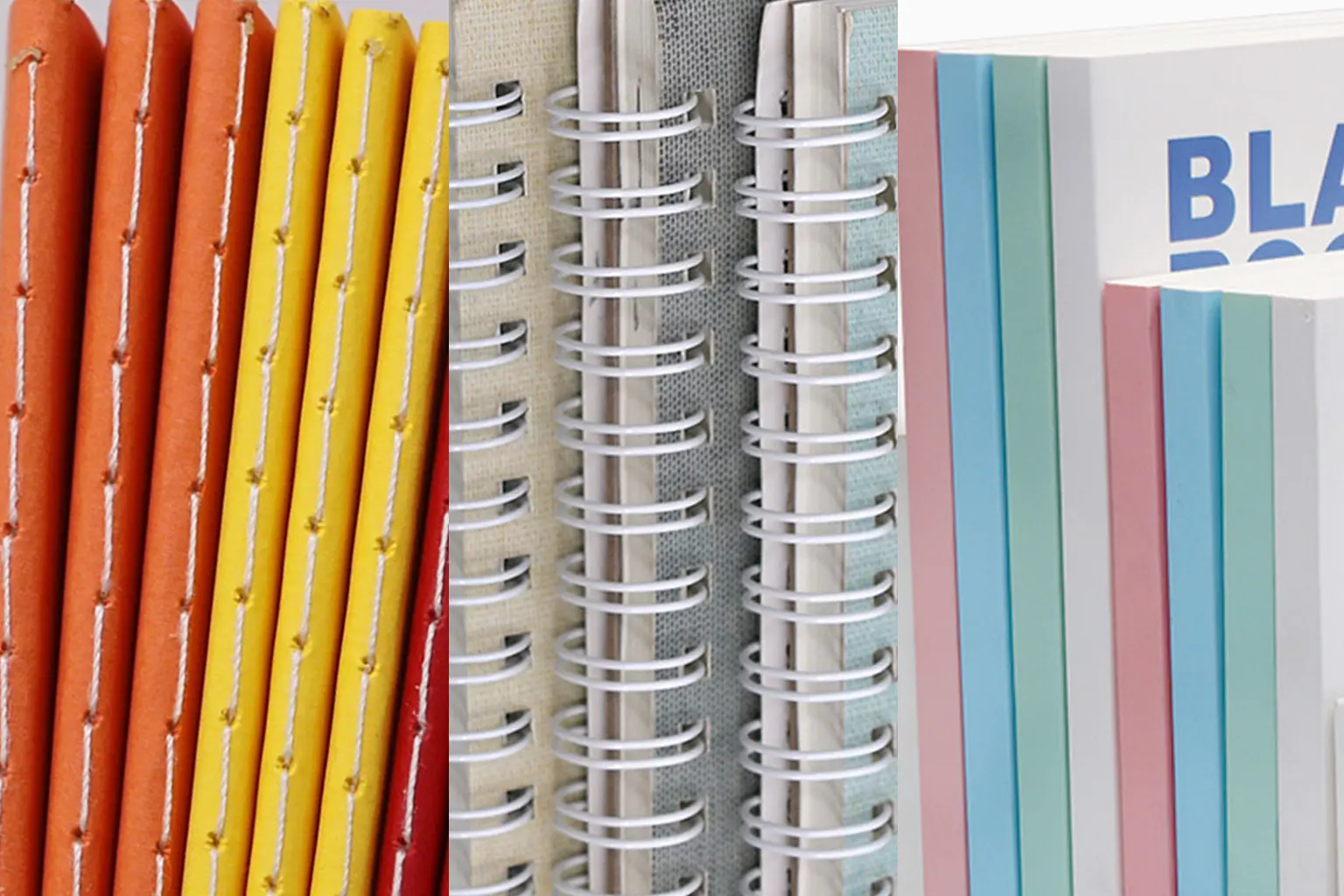
Figure 2. Close-up comparison of sewn, wire-bound, and glue-bound spines.
'Lay-flat' should not be assumed from the binding name alone. A sewn book can resist staying open if its spine and cover are too rigid, while a well-engineered adhesive-bound notebook may open better than a poorly constructed sewn one. Buyers should test a finished sample rather than approve the binding description alone.
When Is Thread-Sewn Binding the Better Choice?
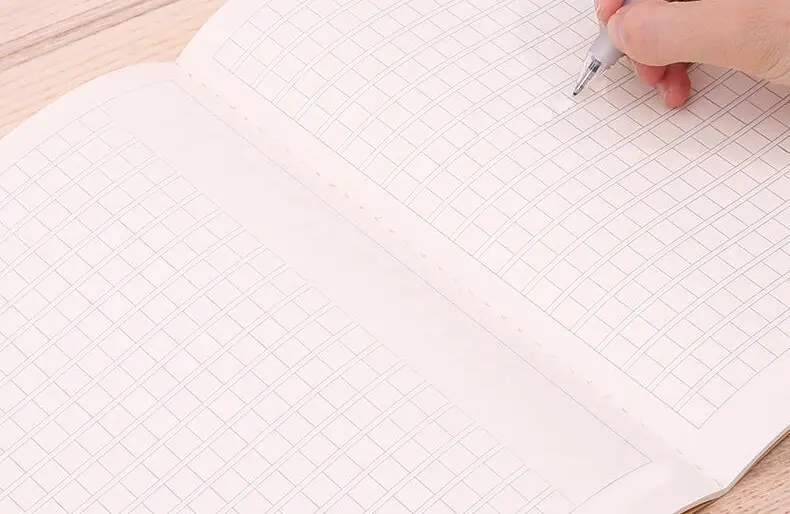
Figure 3. An open thread-sewn notebook showing the center stitching and writing surface.
Thread-sewn binding is the stronger choice when page retention, repeated use, and perceived quality matter more than achieving the lowest construction cost.
Folded sheets are gathered into sections, stitched, and then connected to the cover system. If adhesive at the spine ages or weakens, the thread still provides mechanical support. This makes sewn construction suitable for journals, archival-style notebooks, business gifts, and products that users frequently open near the center.
Thread-sewn binding is not automatically appropriate for every project. It may be inefficient for a very small test order, an aggressively priced promotion, or a notebook whose page layout cannot be imposed correctly into folded sections. The page sequence, section structure, paper grain, endpapers, spine, and cover must be engineered together. For a kraft-cover option using saddle stitching rather than thread sewing, review the A5 kraft paper cover saddle-stitched notebook.
Buyers should inspect:
● Whether each section is stitched securely
● Whether thread tension causes tearing around the sewing holes
● Whether sections are aligned at the head and foot
● Whether the endpapers attach evenly to the text block
● Whether the spine opens without cracking or excessive resistance
● Whether the finished book remains square after repeated opening
When Is Spiral Binding the Better Choice?
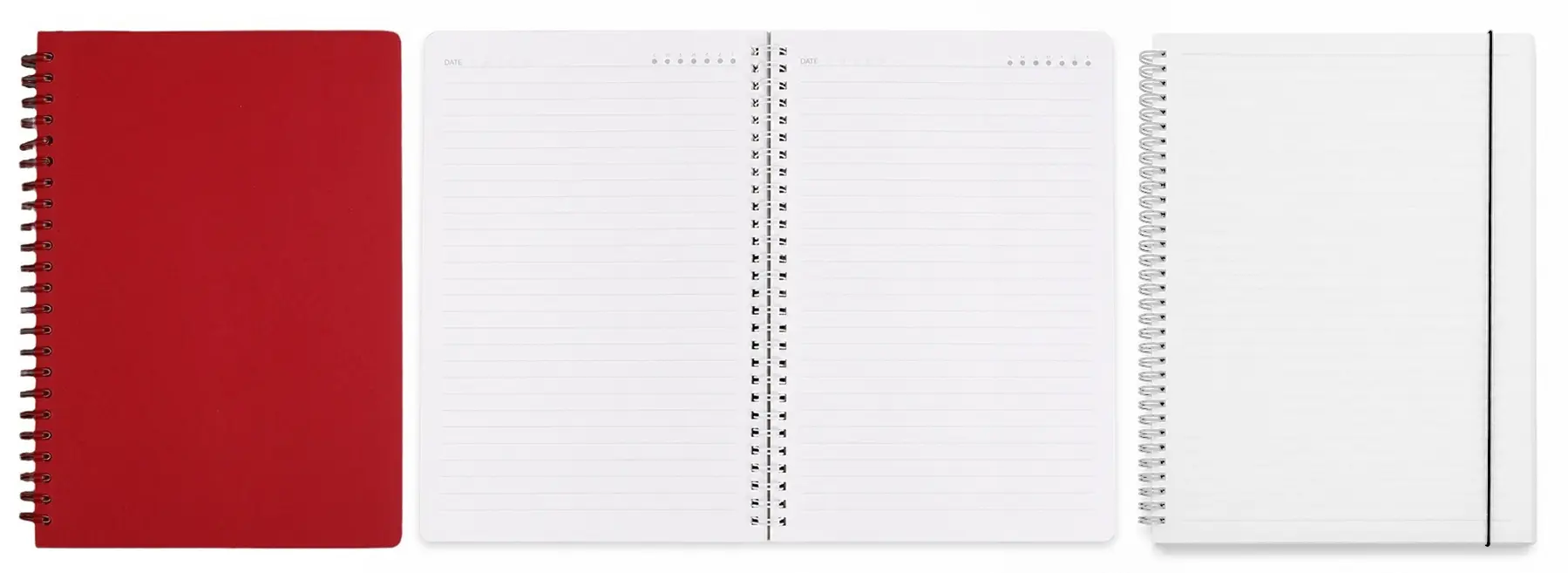
Figure 4. A spiral notebook shown closed, open flat, and folded back.
Spiral binding is the practical choice when writing comfort and the ability to fold pages backward are essential.
Because the sheets are punched individually, spiral notebooks can accommodate dividers, pockets, mixed paper types, and other inserts more easily than many folded-section constructions. The notebook can remain open on a desk without the user pressing against the center fold.
The term 'spiral' should be clarified in the RFQ. Plastic coil, single-loop wire, and double-loop wire are different systems with different appearances and production requirements. Suppliers also need to confirm the binding edge, punching pattern, coil diameter, coil color, page thickness, cover thickness, and whether the ends will be closed to prevent unwinding.
Common risks include:
● A coil that is too small, making pages difficult to turn
● An oversized coil that feels loose and increases packing volume
● Misaligned or incomplete punched holes
● Paper tearing because holes are too close to the edge
● Wire ends that catch on hands, clothing, or packaging
● Coils becoming oval or crushed during carton stacking
● Printed elements being placed too close to the punched edge
Spiral binding is less suitable when buyers want a printable square spine, a traditional book-like shelf appearance, or highly compact packing. The protruding binding can also require more protective packaging. For a related wholesale format, see the A5 eco-friendly spiral kraft cover notebook.
When Is Glue Binding the Better Choice?
Glue binding is appropriate when buyers want a clean spine, a conventional book shape, and a cost-conscious construction that matches the notebook's specifications.
Performance depends on more than the adhesive name. Paper coating, ink coverage near the spine, paper grain, spine preparation, text-block thickness, curing conditions, and storage environment can all affect page retention. The exact adhesive system should be confirmed with the manufacturer for the selected materials and expected use.
Glue binding is a weaker choice when a notebook must open completely flat, endure intensive daily use, or hold inserts that place uneven stress on the spine. A thick text block with a narrow opening angle may encourage users to force the book open, increasing the risk of spine cracking or loose pages. For a related hardcover format, see the A5 lined hardcover notebook with bookmark.
During sample approval, buyers should check:
● Whether pages detach during repeated turning
● Whether the spine cracks when the notebook is opened normally
● Whether adhesive has penetrated or stained the page area
● Whether the cover separates at the hinge
● Whether the spine is square and consistently shaped
● Whether printed spine text remains centered after binding and trimming
Which Specifications Affect Binding Performance?
Binding performance depends on the complete notebook specification rather than the binding method in isolation.
Buyers should confirm the following parameters before requesting a final quotation:
● Finished notebook size and binding edge
● Number of leaves or pages
● Paper type, weight, coating, opacity, and grain direction
● Cover material, thickness, and rigidity
● Whether pages are folded sections or individual sheets
● Binding system and required opening behavior
● Printing coverage near the spine or punched edge
● Endpapers, dividers, pockets, ribbons, elastic closures, or pen loops
● Rounded or square corners
● Required spine printing
● Individual and export packaging
● Intended retail display and shipping method
Paper grain is easily overlooked. Paper generally folds and turns more naturally when the grain direction is compatible with the spine. An unsuitable grain direction can make a notebook feel stiff and can increase stress during opening.
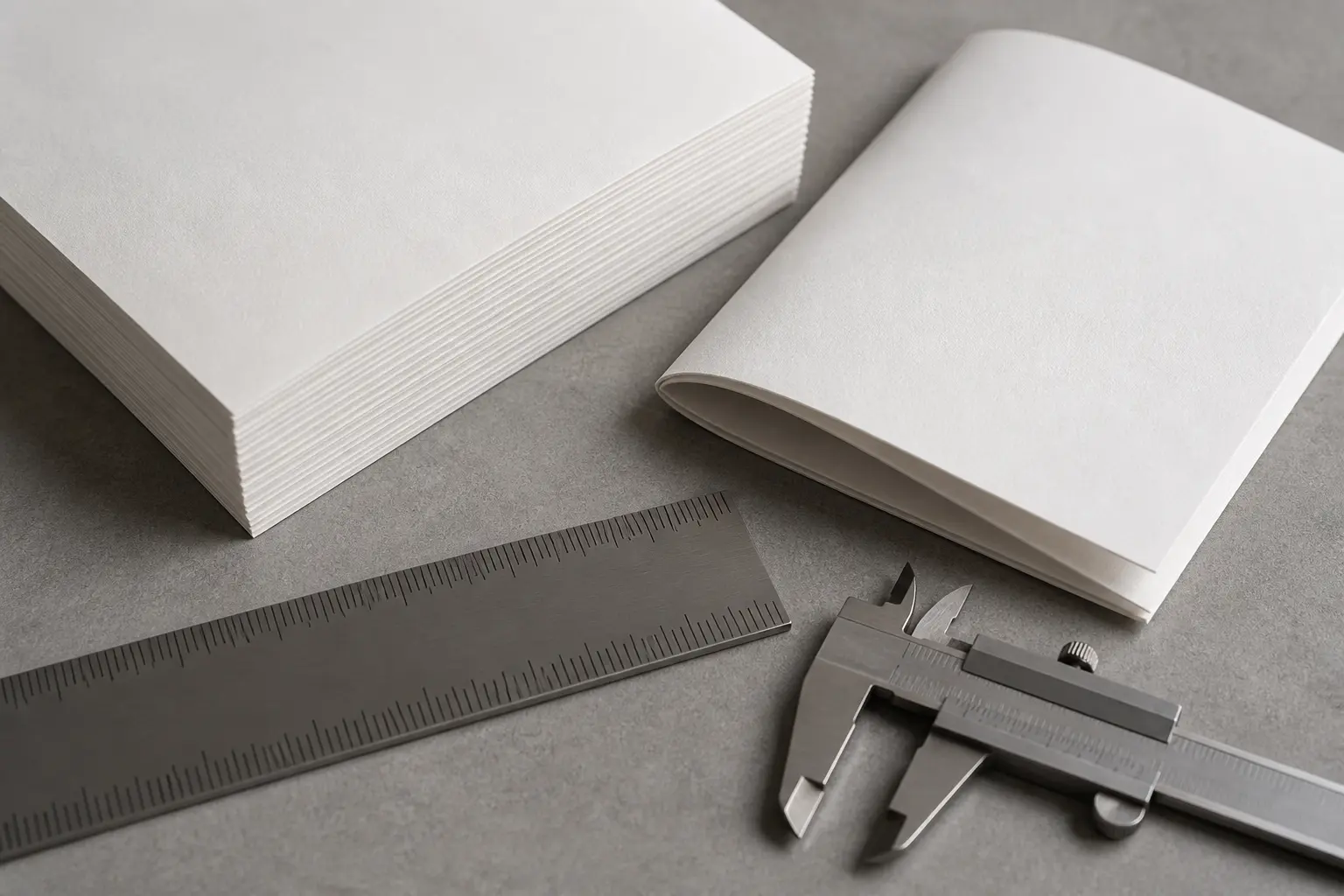
Figure 5. Paper grain direction and thickness should be checked as part of the binding specification.
What Hidden Costs Can Change the Comparison?
The lowest binding quotation may not produce the lowest delivered cost. Buyers should compare tooling, production handling, packing efficiency, defect risk, and freight volume.
Potential cost differences include:
● Punching or binding setup
● Sewing and section-gathering operations
● Spine preparation and adhesive requirements
● Additional manual work for pockets, dividers, or closures
● Extra wrapping needed to protect wire or coil
● Larger cartons caused by protruding spiral bindings
● Sorting and assembly costs for mixed inner-page designs
● Replacement risk when page sequence or punching alignment is wrong
● Testing or sample revisions required for a new material combination
A quotation should state what is included. Otherwise, two suppliers may appear to offer the same notebook while using different cover structures, binding materials, packaging, or quality-control standards.
What Can Go Wrong Between the Sample and Bulk Production?
Sample approval does not guarantee bulk consistency unless the approved construction is translated into measurable production requirements.
Handmade samples may use different equipment or more manual adjustment than mass production. Bulk paper can also behave differently if its grain direction, moisture condition, thickness, or coating varies from the sample material.
Before production, the approval record should identify:
● Approved paper and cover materials
● Binding method and component specification
● Page sequence and artwork orientation
● Accepted opening behavior
● Position of holes, stitching, and spine printing
● Cover overhang and trim alignment
● Approved color and surface finish
● Packaging arrangement
● Any acceptable appearance tolerances
A sealed or signed reference sample helps the supplier, buyer, and inspector compare the same construction. Digital artwork approval alone cannot confirm physical opening behavior, page retention, or binding strength.
How Should Buyers Inspect Notebook Binding Quality?
Notebook inspection should combine visual checks with repeated-use tests. Looking only at the closed cover can miss structural defects.
A practical inspection sequence is:
1. Check the specification. Confirm size, page count, paper, cover, binding type, printing, accessories, and packaging.
2. Examine alignment. Check whether the text block, cover, stitching, holes, coil, and spine are straight and centered.
3. Turn every type of page. Test front, center, and back pages rather than opening only one position.
4. Repeat the opening action. Observe whether pages loosen, holes tear, coils snag, or the spine cracks during normal handling.
5. Apply a controlled page-retention check. The method and acceptance criteria should be agreed before production; improvised pulling can produce inconsistent inspection results.
6. Inspect edges and contact points. Look for sharp wire ends, exposed adhesive, thread damage, rough trimming, and damaged corners.
7. Check packed products. Confirm that coils are not compressed and that covers do not scuff, warp, or transfer color inside the packaging.
8. Compare multiple cartons. Binding defects may be concentrated around a particular production period or packing position.
Any destructive test method, sampling plan, and pass/fail threshold should be agreed in the purchase specification rather than invented during final inspection.
What Should Buyers Include in a Notebook RFQ?
A useful notebook RFQ should define construction and expected performance, not merely request a price for 'a custom notebook.'
Include:
● Target market and intended use
● Estimated quantity per design
● Finished size and binding edge
● Page or leaf count
● Inner-paper specification and ruling
● Cover construction and finish
● Sewn, coil, wire, or adhesive-bound requirement
● Required opening behavior
● Printing colors and artwork coverage
● Accessories and inserts
● Individual packaging and carton requirements
● Barcode, labeling, or retail-display needs
● Required sample type
● Inspection requirements
● Destination and requested trade terms
● Target delivery schedule
If the binding method has not been decided, provide the use case, target price position, appearance requirements, and expected product life. The manufacturer can then propose comparable constructions without guessing the buyer's priorities.
What Procurement Mistakes Should Buyers Avoid?
The most common mistake is choosing a binding method from photographs or unit price alone.
Other avoidable errors include:
● Asking for 'spiral' without specifying coil or wire construction
● Assuming every sewn notebook automatically lies flat
● Approving artwork without testing a physical binding sample
● Ignoring paper grain and inner-page thickness
● Placing text or graphics too close to holes or the spine
● Comparing quotations with different packaging specifications
● Failing to protect wire bindings during shipment
● Omitting page-retention and opening requirements from the purchase order
● Approving a handmade sample without confirming how bulk production will differ
Frequently Asked Questions
Is sewn binding always more durable than glue binding?
Thread-sewn construction generally provides stronger mechanical page retention, but finished durability still depends on sewing quality, paper strength, spine construction, cover attachment, and normal use. A poorly produced sewn notebook can still fail.
Is a spiral notebook always the best lay-flat option?
Spiral and coil notebooks normally offer the easiest flat opening and backward folding. Buyers must still select a suitable coil diameter and hole position so pages turn freely without tearing.
Can a glue-bound notebook lie flat?
Some adhesive-bound constructions can open comfortably, but buyers should not assume full lay-flat performance. Paper grain, adhesive flexibility, spine design, page count, and cover structure affect the result. Approve the opening behavior using a physical sample.
Which binding is best for school notebooks?
The answer depends on age group, use frequency, price position, classroom requirements, and local preferences. Spiral binding offers convenient writing, while sewn construction can provide stronger page retention. Glue binding may suit price-sensitive programs when its durability has been validated.
Which binding is best for premium journals?
Thread-sewn construction is commonly suitable for premium journals because it supports repeated use and a book-like appearance. Cover material, endpapers, spine design, paper, and finishing must also support the intended quality level.
Next Step
Send the intended use, target market, estimated quantity, notebook size, page count, paper preference, cover construction, required opening behavior, printing artwork, packaging, destination, and delivery schedule. A manufacturer can then compare sewn, spiral, and glue-bound options on the same specification and recommend a construction suitable for sampling. For a project-specific quotation, submit a notebook inquiry.
Related News
- Print Finishing Techniques: Lamination, Foil, UV, Embossing & Die Cutting
- Paper Printing Methods: How B2B Buyers Can Choose the Right Printing Process
- How Should B2B Buyers Compare Packaging Costs for Cross-Border Stationery Orders
- OEM vs ODM Stationery for Retail Brands: How to Choose the Right Sourcing Model
- Pencil Case Materials, Styles, Features Guide
- Back-to-School Stationery Sourcing Calendar for Retailers: When to Order for 2027
Leave me a message