

Blog & News
We are glad to share with you about the results of our work, company news, and give you timely developments and personnel appointment and removal conditions.
 13 2026-10
 Notebook Binding: Choose the Structure, Set the Specifications, Plan Production
Binding shapes how a notebook opens, turns and stands up to daily use. It also affects cover artwork, production cost and delivery planning. Start with four questions: Is the product a thin booklet or a substantial notebook? Must it fold back? Does it need a printable spine? Is it intended for a short event or years of writing?
 30 2026-09
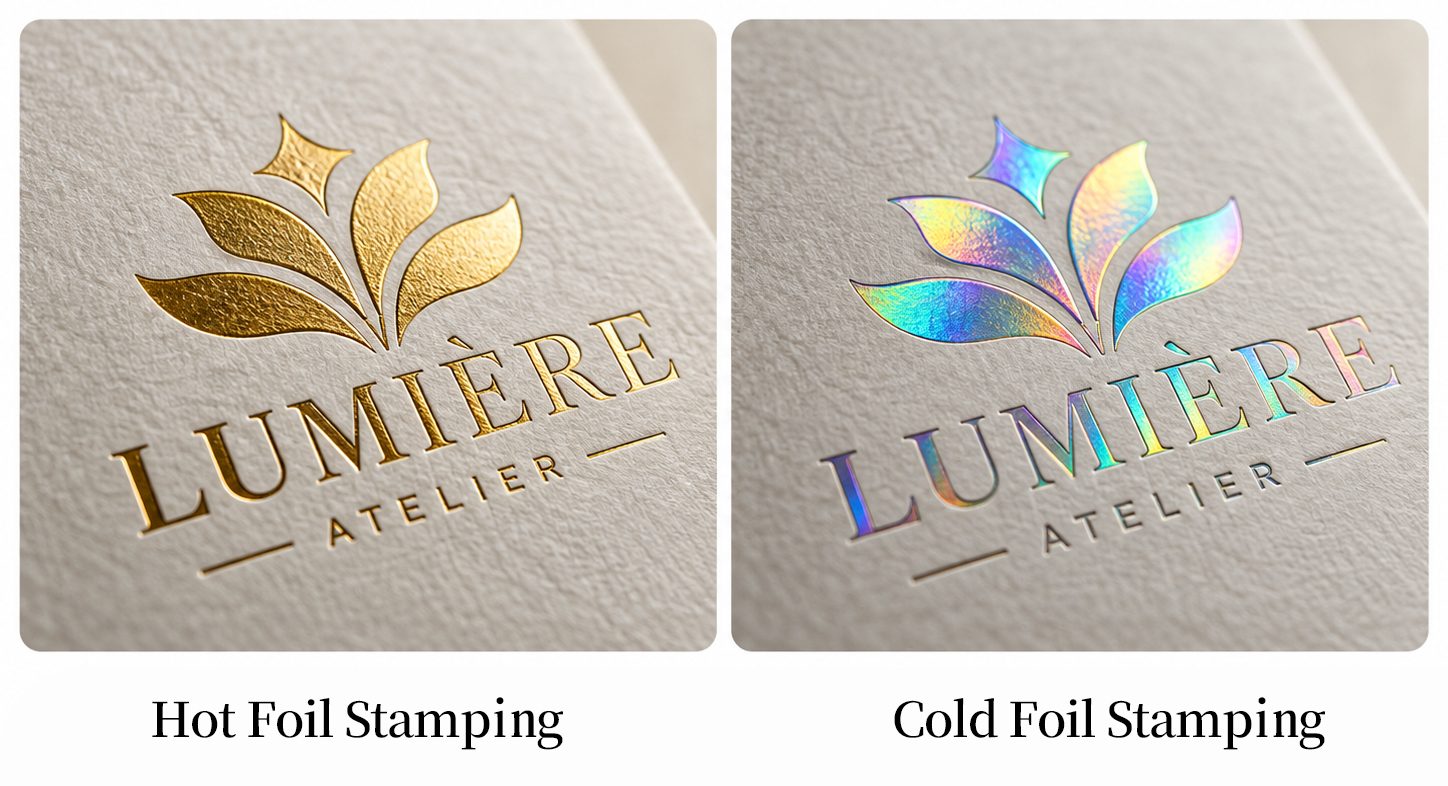
 Print Finishing Techniques: Lamination, Foil, UV, Embossing & Die Cutting
This guide is written for buyers, designers, brands and product developers who need to understand print finishing as part of the production process. The goal is not simply to list technical terms, but to explain what each finish solves, how finishes can be combined, and how they affect cost, artwork and manufacturing.
 24 2026-09
 Paper Printing Methods: How B2B Buyers Can Choose the Right Printing Process
Paper printing is widely used for books, brochures, stationery and packaging. For B2B buyers sourcing custom notebooks, planners, sticky note pads and paper packaging, the printing method affects image reproduction, unit cost and reorder flexibility. Offset printing and digital printing are usually the first two options to compare for paper stationery. Flexographic printing is worth considering for labels, paper bags and corrugated shipping cartons; screen printing can suit covers that require a thicker ink deposit or high-opacity graphics; and gravure printing may be appropriate for certain packaging projects involving long, high-volume production runs.
 11 2026-09
 How Should B2B Buyers Compare Packaging Costs for Cross-Border Stationery Orders
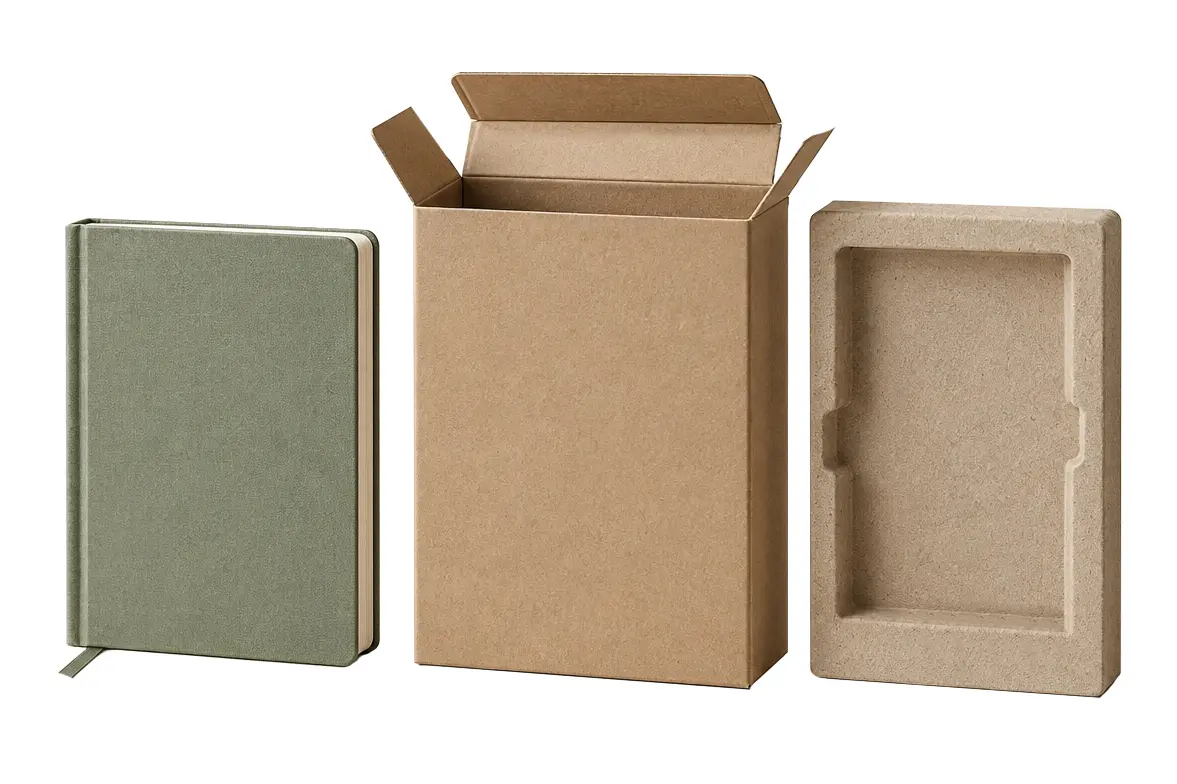
How Should B2B Buyers Compare Packaging Costs for Cross-Border Stationery OrdersBuyers should compare packaging cost for cross-border stationery orders by separating packaging materials, setup charges, packing labour and any agreed packaging inspection costs, then checking how each option changes shipment dimensions and freight.
 04 2026-09
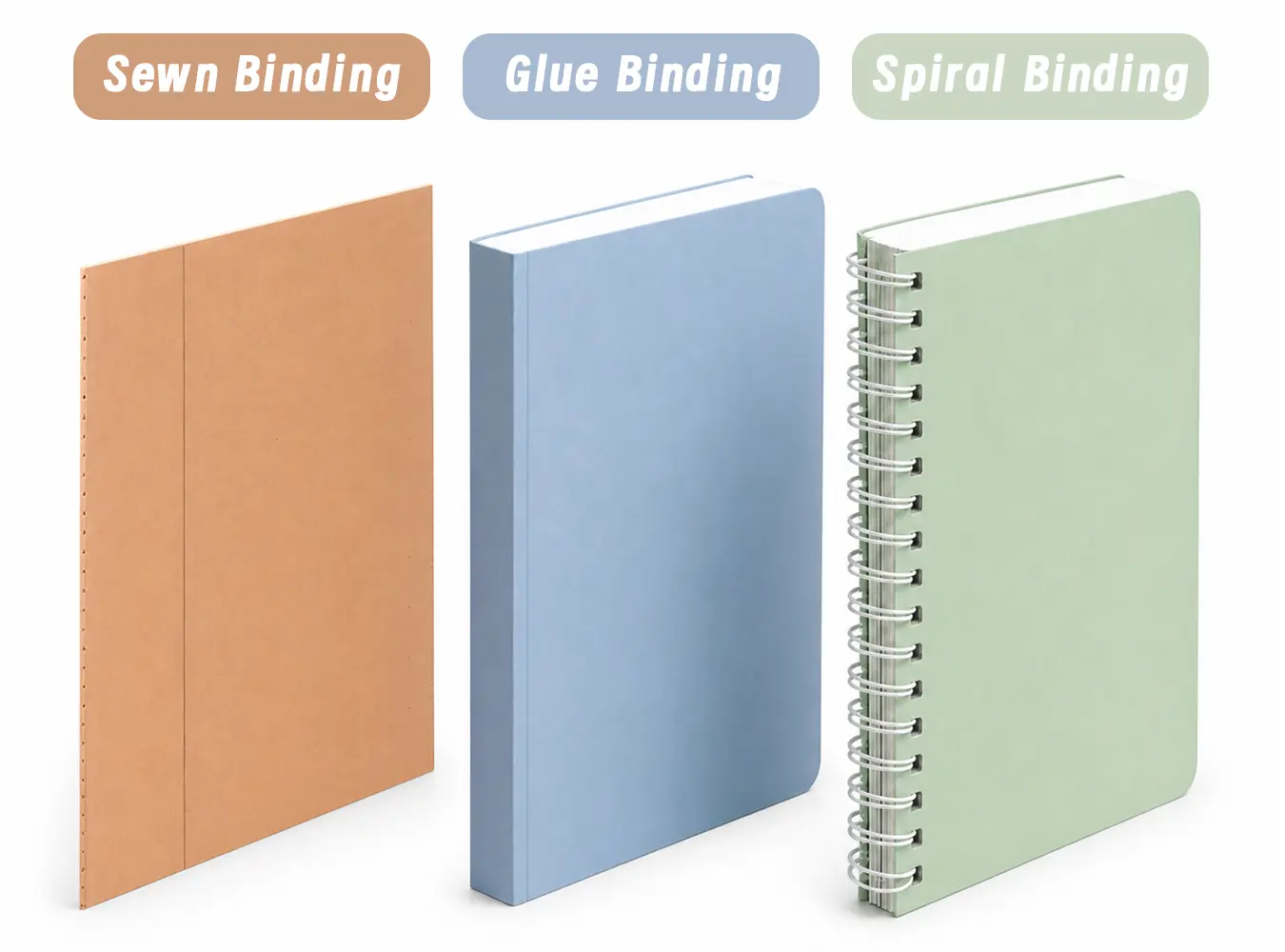
 Sewn, Spiral or Glue Binding: Which Notebook Construction Is Best?
No single notebook binding is best for every order. Thread-sewn construction is usually the strongest option for notebooks intended for long-term use or a premium appearance. Spiral binding is preferable when pages must open fully, fold backward, or remain flat during writing. Glue binding offers a clean spine and can be economical for suitable page counts, but its performance depends heavily on the adhesive, paper, spine preparation, and production control. Buyers should compare writing behavior, durability, appearance, page count, packaging, and target price - not binding cost alone.
 31 2026-08
 OEM vs ODM Stationery for Retail Brands: How to Choose the Right Sourcing Model
The choice between OEM and ODM stationery depends on who owns the design, who carries the development risk, and how much control the retail brand keeps over the final product. OEM means the supplier produces to a design and logo the buyer already controls, while ODM means the supplier provides, designs or adapts the product. For a retail brand, OEM offers more brand control and lower design dependence but usually needs the buyer to supply complete specifications; ODM is faster to market and reduces upfront design work but requires the buyer to verify the design fits its brand, pricing and market. The sections below compare the two models on specification, sampling, MOQ, cost, quality control and lead time so a buyer can choose with real criteria rather than price alone.
 21 2026-08
 Pencil Case Materials, Styles, Features Guide
Choosing among pencil case materials requires more than comparing appearance or a single thickness value. Buyers should evaluate the complete construction: substrate, lining, coating or backing, seams, zipper, internal layout, printing process and packaging. Style affects capacity and carton volume, while added features affect assembly and packing. Because material names alone do not establish finished-product performance, the final specification and approved sample should define the order, and any performance or compliance requirement should be confirmed for the actual product and destination market.
 14 2026-08
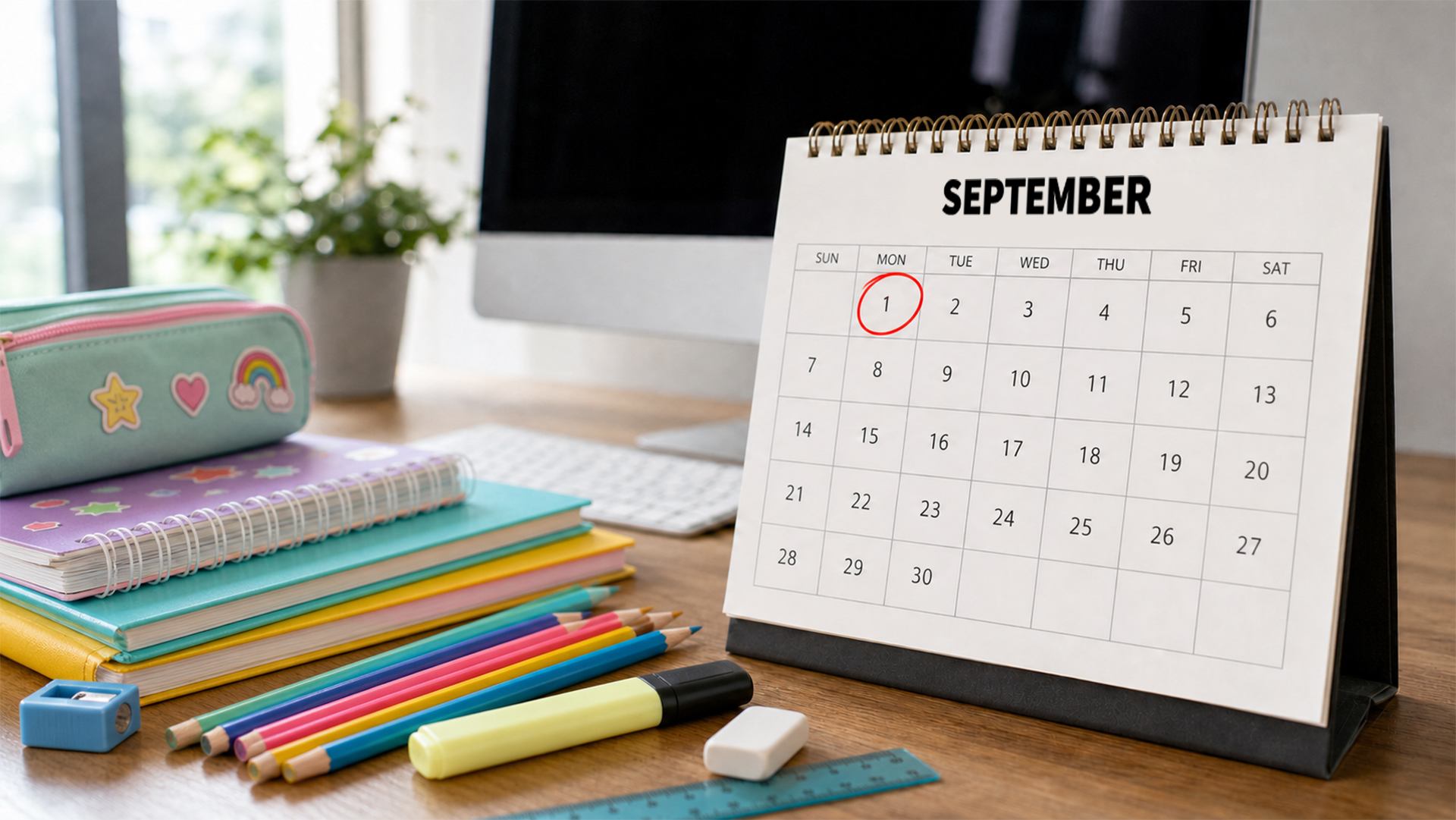
 Back-to-School Stationery Sourcing Calendar for Retailers: When to Order for 2027
Retailers targeting a June or July 2027 back-to-school launch should normally begin product and demand planning in September--October 2026, issue comparable RFQs by November, and aim to approve final samples, packaging, and compliance requirements before Lunar New Year production constraints affect the schedule. The exact order date depends on assortment complexity, customization, testing, production source, shipping mode, and the required warehouse date. A mixed private-label program needs more calendar protection than a repeat order using stock products and stock packaging.