
CPSC eFiling for Children's Stationery: CPC vs GCC Guide
U.S. importers of regulated children's stationery must identify the applicable CPSC rules, obtain accurate product, factory, test, laboratory, and record-contact data, and transmit the required certificate information through CBP's Automated Commercial Environment at entry. The rule applies to most covered imports from July 8, 2026, and to covered goods entered from a U.S. Foreign Trade Zone from January 8, 2027. The practical task is not merely collecting a PDF certificate: every data field must describe the same finished product and production record.
Does Every Imported Stationery Product Require CPSC eFiling?
No. CPSC eFiling applies to an imported product that is subject to a CPSC certificate requirement; it does not automatically require every pen, notebook, folder, or desk accessory to have a certificate.
The importer should first classify the product, identify the applicable CPSC rule, ban, standard, or regulation, and determine whether a Children's Product Certificate (CPC), a General Certificate of Conformity (GCC), an exception, or no CPSC certificate applies. CPSC advises importers to review the relevant product rules and work with their customs and compliance partners rather than treating an HTS code as the only compliance decision.
The July 8, 2026, implementation date applies to most regulated imported consumer products. Goods withdrawn from a U.S. Foreign Trade Zone for consumption or warehousing become subject to the revised requirement on January 8, 2027. The importer remains the party responsible for filing accurate certificate data, even when a customs broker transmits the PGA Message Set.
Which Children's Stationery Products May Fall Under CPSC Regulation?
Stationery is more likely to be treated as a children's product when its design, size, packaging, advertising, or play features show that it is intended primarily for children 12 years of age or younger. The word "school" or the fact that children can use an item does not decide the classification by itself.
CPSC considers four main factors:
1. The manufacturer's statement about intended use, including a reasonable age label.
2. How the product is represented in packaging, displays, promotion, and advertising.
3. Whether consumers commonly recognize the product as intended primarily for children 12 or younger.
4. CPSC's Age Determination Guidelines.
For stationery procurement, products that deserve an early children's-product review include:
● Crayons, finger paints, modeling clay, and art or craft kits sized, decorated, and marketed for young children.
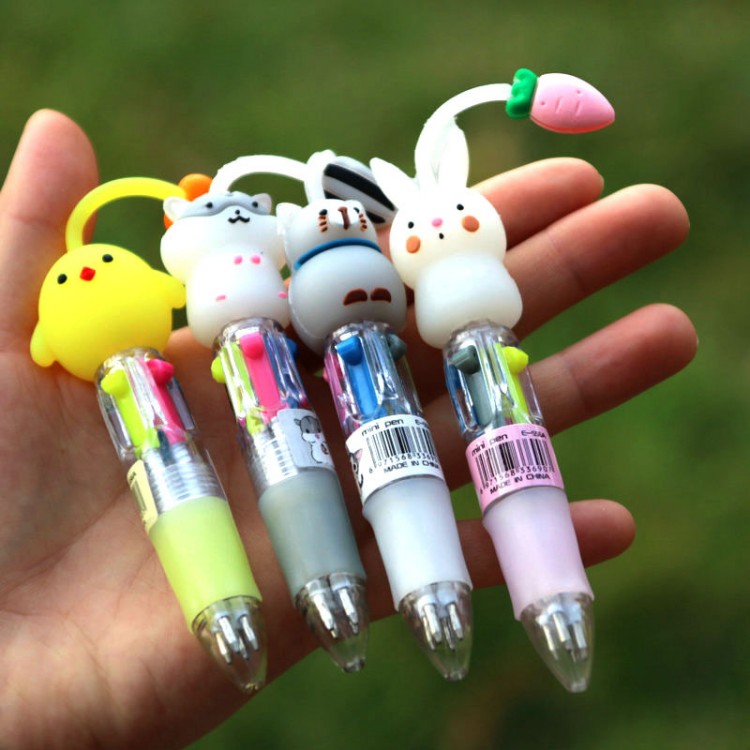
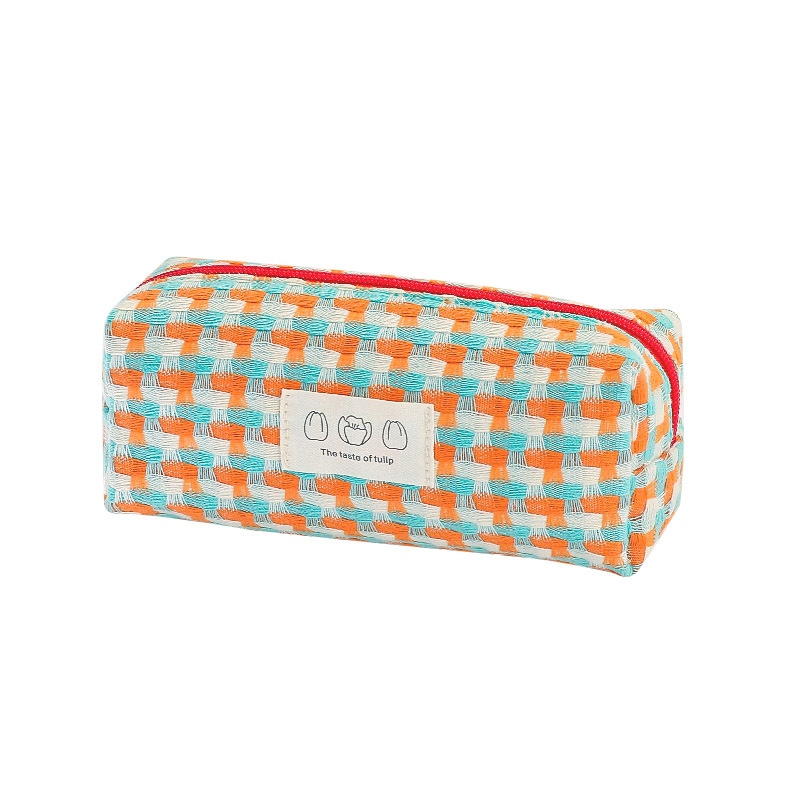
● Novelty pens, pencils, erasers, pencil cases, sharpeners, scissors, rulers, stamps, or desk accessories with child-oriented themes, small sizing, play value, or features aimed primarily at children.
● School stationery sets marketed for primary-school age groups.
● A general-use component placed inside a kit designed primarily for children. CPSC explains that components can become children's products when repurposed as parts of a children's kit.
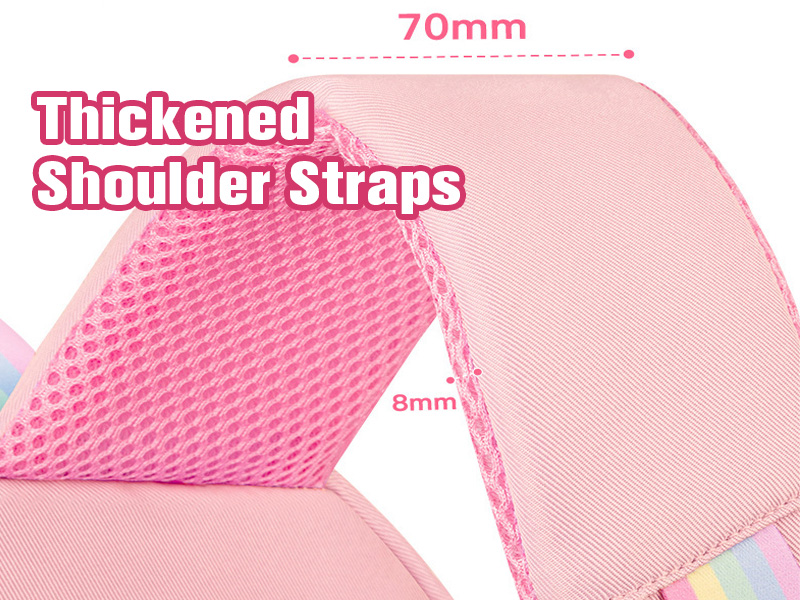
● Backpacks and related school accessories designed, sized, and marketed primarily for children.
A conventional ballpoint pen is generally a general-use product even when a child can write with it. Adding child-oriented decoration does not automatically change the classification, but packaging, size, play value, marketing, and overall appeal can change the analysis.
Importers should therefore review the finished retail presentation, not only the base item. The same functional pen may need a different classification assessment when sold as an office pen, a primary-school reward pen, or part of a children's activity kit.
Which Stationery Products Usually Do Not Require a CPC?
Ordinary office stationery usually does not require a CPC when it is not designed or intended primarily for children 12 years of age or younger. "Usually no CPC" does not necessarily mean "no CPSC requirement"; the importer must still review the product against all applicable rules.
| Product | Typical CPC position | What could change the result |
|---|---|---|
| Adult ballpoint pen | Usually no CPC | Child-directed sizing, packaging, decoration, marketing, or play value |
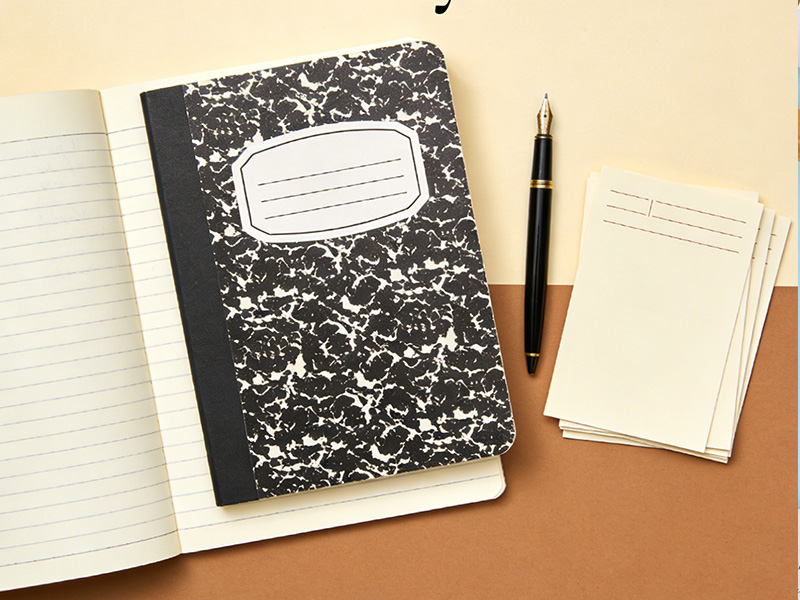
| Office notebook | Usually no CPC | A finished product designed and marketed primarily for young children |
| Office stapler | Usually no CPC | Child-oriented design or inclusion in a children's kit |
| Document folder | Usually no CPC | Packaging and promotion aimed primarily at children 12 or younger |
| Adult planner | Usually no CPC | Age-specific design, instructions, decoration, or marketing |
Product classification depends on intended use, design, marketing, packaging, consumer recognition, CPSC's Age Determination Guidelines, and the rules applicable to the exact product. Importers should not describe an item as "adult use" when its packaging and sales presentation send a different message.
When Does a CPC Apply, and When Does a GCC Apply?
A CPC applies to a children's product subject to an applicable children's product safety rule. A GCC applies to certain general-use products subject to an applicable CPSC rule that requires certification.
| Question | CPC | GCC |
|---|---|---|
| Product type | Designed or intended primarily for children 12 or younger | General-use product |
| Trigger | Product is subject to one or more applicable children's product safety rules | Product is subject to an applicable rule requiring general certification |
| Testing basis | Third-party testing by a CPSC-accepted laboratory, unless a valid exception or determination applies | Testing of each product or a reasonable testing program, as applicable |
| Legal certifier for imported product | Importer | Importer |
| Typical stationery issue | Child-oriented art material, school set, novelty item, or accessory may be a children's product | A general-use stationery item may require a GCC only if an applicable certifiable rule covers it |
| eFiling | Required at import when the product is subject to certification | Required at import when the product is subject to certification |

CPC vs GCC comparison for imported stationery
Product classification and applicable citations must be decided before laboratory testing is ordered. Asking a laboratory to "test for CPSC" without a defined product, intended age, material list, and applicable-rule matrix can produce a report that does not support the certificate the importer later needs.
Art materials need separate attention. All consumer art materials may be subject to the Labeling of Hazardous Art Materials Act and ASTM D-4236 toxicological-review and labeling requirements. CPSC states that LHAMA itself is not a rule requiring certification and does not need to be cited on a CPC or GCC. A children's art material may still require a CPC for other applicable children's product safety rules.
What Seven Data Elements Should an Importer Collect Before Entry?
An importer using a Full PGA Message Set must have seven data elements ready before customs entry: Product ID, Citation Codes, Manufacture Date, Manufacture Place, Product Test Date, Testing Laboratory, and Point of Contact.
| eFiling field | What the importer should request from the supplier | What must be checked |
|---|---|---|
| Product ID | Stable model, style, SKU, item, or other identifier used on the finished product records | The identifier must distinguish the certified product from other designs, materials, or versions |
| Citation Codes | Proposed rule matrix connected to the finished product and intended age | The importer or qualified adviser should confirm the final applicable citations |
| Manufacture Date | Production month and year, date range, lot, or batch information as applicable | Dates must match production and traceability records |
| Manufacture Place | Finished-product assembly factory name and complete location information | Do not substitute a trading company or export office for the actual manufacturing place |
| Product Test Date | Relevant test or test-report dates | The report must cover the certified product and applicable rules |
| Testing Laboratory | Laboratory identity and location; for a CPC, verify CPSC acceptance for the applicable test scope | The laboratory name and address should match the report and certificate record |
| Point of Contact | Person maintaining the supporting test records, with current contact details | The contact must be able to retrieve the underlying reports when requested |
Importers also need the certifier's legal identity and the records required to support the CPC or GCC. A supplier-created spreadsheet can support the importer's workflow, but it does not transfer the importer's legal certification responsibility.
How Does the CPSC eFiling Process Work for Imported Stationery?
The CPSC eFiling process should begin during product development, not when the shipment reaches the port. Product classification determines the certificate and testing path; the resulting product, factory, test, laboratory, date, and contact data then supports the customs filing.
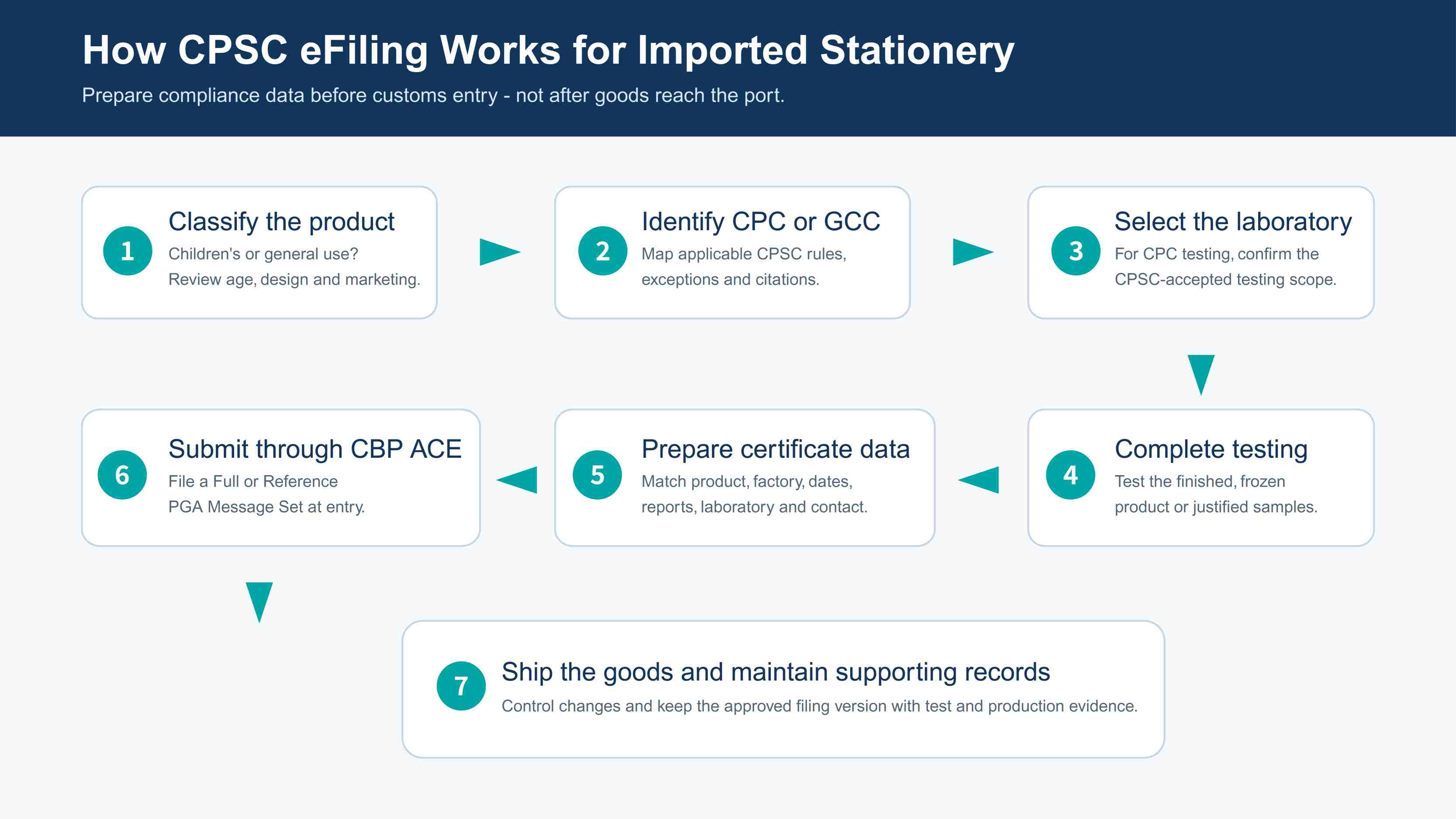
CPSC eFiling workflow for imported stationery
1. Classify the stationery product. Decide whether the finished product is primarily intended for children 12 or younger or is a general-use product.
2. Identify CPC or GCC requirements. Map the exact product to applicable CPSC rules, exceptions, testing exclusions, and citation codes.
3. Select the laboratory. When CPC testing is required, verify that the laboratory is accepted by CPSC for each applicable test scope.
4. Complete product testing. Test the frozen product configuration or use a documented, supportable component-testing approach where permitted.
5. Prepare certificate data. Match the product ID, citations, manufacture date and place, test date, laboratory, and records contact.
6. Submit the data through CBP ACE. The importer or broker transmits a Full or Reference PGA Message Set at customs entry.
7. Ship and maintain records. Control changes and retain the certificate, reports, specifications, production evidence, and approved filing version.
Testing before artwork, materials, components, or the actual production factory are fixed can cause repeat work. A more reliable purchasing sequence is to freeze the compliance-relevant specification, approve the test plan, complete testing, review the document matrix, and then authorize shipment.
Should an Importer Use a Full or Reference PGA Message Set?
A Full PGA Message Set may be practical for occasional or low-repeat products, while a Reference PGA Message Set can reduce repeated data entry for products imported repeatedly under unchanged certificate data.
| Filing route | Data sent through the customs filing | Suitable use | Main control risk |
|---|---|---|---|
| Full PGA Message Set | Seven required certificate data elements | Occasional products, new models, or importers that do not use the Product Registry | Re-entering data can create transcription differences |
| Reference PGA Message Set | Certifier ID, Product ID, and Version ID | Repeated imports using certificate data stored in the CPSC Product Registry | A product, factory, material, citation, or report change may require a new or revised registry version |
The CPSC Product Registry is a separate repository and does not automatically communicate with CBP's ACE system. For a Reference PGA filing, the importer must give the applicable certificate identifiers to the customs broker for transmission.
The best route depends on shipment frequency, SKU stability, product-change controls, and the importer's internal system. A Reference filing is not a "set and forget" solution. Reuse is appropriate only while the certificate data remains accurate for the imported product.
Why Must the Product, Factory, Laboratory, and Certificate Records Match?
Data consistency allows the importer to show that the certificate and test evidence apply to the exact goods in the entry. A report for a visually similar sample is not automatically evidence for a different model, material, coating, supplier, or factory.
Common mismatch patterns include:
● The purchase order uses a buyer SKU, the factory uses an internal item number, and the report shows only a vague product name.
● The report identifies one color or material, while the shipment contains unreviewed variations.
● The certificate lists a trading company as the manufacturing place, although final assembly occurred at another factory.
● The test date predates a material, coating, ink, adhesive, component, or construction change.
● The laboratory name is abbreviated differently across the report, certificate file, and filing spreadsheet.
● A children's stationery set combines products from several factories but the file does not map each component to its report and final assembly record.
● The retail packaging or online listing targets young children while the testing plan treats the product as general use.
These mismatches are preventable when the importer creates a product-to-document matrix before production. Each row should connect the buyer SKU, supplier model, product description, intended age, component or variant, actual factory, manufacture period, applicable citation, report number, test date, laboratory, and certificate version.
How Should Importers Handle Mixed Children's Stationery Sets?
A mixed children's stationery set should not automatically use one generic certificate. The importer should review the finished set and map every component to its actual manufacturing source, classification, applicable rules, and supporting test evidence.

Mixed children's stationery set compliance map
For example, a back-to-school kit could require the following working matrix:
| Component | Actual source | Certificate review |
|---|---|---|
| Colored pencils | Factory A | CPC and report coverage if the pencils are children's products subject to applicable rules |
| Eraser | Factory B | CPC and material evidence if it is a covered children's product |
| Notebook | Factory C | CPC, GCC, or no CPSC certificate depending on intended use and applicable rules |
| Pencil case | Factory D | CPC if classified as a children's product subject to an applicable rule |
The table is an illustration of the review method, not a predetermined certificate result. The actual decision depends on the finished products, intended age, materials, packaging, marketing, applicable rules, exceptions, and manufacturing arrangement.
The set file should also identify the place of final assembly or packing and connect the finished-set SKU to its component records. When five products come from four factories, listing only the sourcing company's name does not accurately document the manufacturing chain.
See our student stationery set
What Should Importers Ask Chinese Suppliers to Prepare Before Production?
Importers should request a controlled compliance data pack before approving mass production, because missing factory or product identifiers are harder to reconstruct after goods are packed.
A practical pre-production request should include:
● Product specification: buyer SKU, supplier model, product name, dimensions, materials, coatings, inks, adhesives, components, colors, and intended use.
● Age and marketing information: intended age, packaging artwork, instructions, product-page copy, and images showing how the item will be sold.
● Factory information: legal factory name, full address, role in production, and final assembly location.
● Variant matrix: which colors, designs, materials, and sets are represented by each test sample and report.
● Testing documents: complete reports, report numbers, test dates, laboratory identity and contact details, tested sample images, applicable rules, and any documented exception or determination.
● Production records: planned manufacture date or range, lot or batch code structure, and traceability-label information.
● Record contact: a named person who can retrieve reports and clarify product or factory data.
● Change-control commitment: written notice before changing a material, ink, coating, adhesive, component, factory, production method, or packaging claim that could affect classification or compliance.
The importer should send a fixed field template rather than ask the supplier to "provide all CPSC documents." A fixed template exposes blanks early and reduces the risk that one team supplies a certificate, another supplies a report, and a third provides customs data with different identifiers.
What Documents Should a Chinese Stationery Supplier Provide?
A Chinese stationery supplier should provide a structured source-document pack that enables the importer to verify product identity, manufacturing information, testing evidence, traceability, and retail presentation. The exact file set depends on the product and applicable rules.

Chinese stationery supplier compliance document checklist
| Document | Purpose | Buyer check |
|---|---|---|
| Complete test report | Support the applicable safety assessment and certificate | Match product, sample images, materials, dates, laboratory and tested rules |
| CPC/GCC information sheet | Organize the fields needed to prepare the importer's certificate | Treat it as source data, not as a transfer of importer responsibility |
| Actual factory information | Identify the manufacturing and final assembly locations | Verify legal name, full address and production role |
| Material declaration or bill of materials | Confirm product composition and manage changes | Include relevant coatings, inks, adhesives, plastics and components |
| Tracking-label sample, where applicable | Verify traceability information before mass packing | Match product and package identifiers to production records |
| Packaging artwork and instructions | Review age grading, claims, warnings and intended use | Compare the approved artwork with the shipped retail pack |
The supplier should provide complete files rather than screenshots or cropped report pages. The buyer should also define file names and version control so that superseded artwork or test data is not sent to the broker by mistake.
How Can a Chinese Stationery Supplier Support the Buyer's Filing?
A Chinese stationery supplier can organize accurate source data, but the U.S. importer should make the final certification and filing decisions.
An effective support workflow is:
1. Freeze the product identity. Confirm the buyer SKU, supplier model, materials, intended age, artwork, retail packaging, and product configuration.
2. Map production responsibility. Identify the actual factory for each item and the site where the finished set is assembled or packed.
3. Build a rule-and-test matrix. Record the proposed applicable rules and the report supporting each product or component. The importer should approve the final citation set.
4. Review laboratory scope. For a CPC, confirm that the laboratory is accepted by CPSC for the applicable testing scope, not merely that the laboratory has a familiar commercial name.
5. Match report to production. Compare model numbers, materials, colors, sample photographs, factory information, and production changes against the test report.
6. Prepare the filing data sheet. Put the seven Full PGA data elements, or the information needed to maintain a Product Registry record, into a controlled format.
7. Verify before shipment. Recheck finished goods, carton marks, lot codes, labels, product identifiers, manufacture dates, and final packing records.
8. Archive the evidence. Retain the certificate, complete reports, specification, artwork, change approvals, production records, and the final data supplied to the broker.
For mixed stationery sets, the supplier should not collapse several products into one vague description such as "school set." The file should show which component came from which source, which test evidence applies, where final assembly occurred, and how the finished set is identified.
What Quality and Document Checks Should Be Completed Before Shipment?
The pre-shipment review should verify both physical conformity and document conformity. A visually acceptable shipment can still create an eFiling problem when identifiers, dates, or factory records do not match.

Factory testing and pre-shipment inspection of children's stationery
Physical product checks
● Compare the finished item and retail pack with the approved sample and tested-sample photographs.
● Check model numbers, SKU labels, lot or batch codes, manufacture information, and tracking labels where applicable.
● Confirm that materials, colors, coatings, inks, components, accessories, and set contents have not changed without review.
● Inspect warnings, age grading, instructions, and art-material conformance or hazard labeling where applicable.
● Verify that the number and identity of products inside a set match the document matrix.
Document checks
● Confirm that the importer's legal name and contact information are current.
● Match each product identifier in the purchase order, report, certificate record, and filing sheet.
● Match the actual manufacturing place to the factory record.
● Confirm manufacture dates against production records.
● Confirm test dates and report numbers.
● Verify laboratory identity and, for children's product testing, the applicable CPSC-accepted scope.
● Review every citation code and any claimed testing exception.
● Confirm that the point of contact can retrieve complete supporting records.
● Give the customs broker only the approved version of the filing data.
The shipment should be held for review when there is an unexplained material change, a factory change, an incomplete report, a missing variant, or a mismatch between the tested sample and the finished retail product.
What Procurement Mistakes Commonly Cause eFiling Problems?
The most common errors start before customs entry and cannot be fixed reliably by asking the broker to guess the missing data.
● Treating a test report as the certificate. A report supports certification; it does not replace the importer's CPC or GCC responsibility.
● Testing before the product is frozen. Later changes to ink, paint, coating, plastic, adhesive, accessory, or factory may affect whether the report supports the shipped goods.
● Using a generic product name. "Pencil set" or "art kit" may not distinguish the certified model from other variants.
● Listing the exporter as the factory. Manufacture-place data should reflect where the finished product was manufactured or assembled as required, not merely where the commercial invoice was issued.
● Ignoring packaging and marketing. Child-directed graphics, age statements, product images, and play features can affect children's-product classification.
● Assuming every stationery item needs the same certificate. A children's art kit, an ordinary office pen, and a mixed school set can have different classification and citation questions.
● Reusing a Product Registry record after a change. A reference filing remains useful only while the stored certificate data accurately describes the imported product.
● Waiting until the goods reach port. Factory, batch, test, and variant questions should be resolved before shipment.
What Do Common CPSC Filing Problems Look Like in Stationery Imports?
Common filing problems usually involve a conflict between the way a product is sold and the way it was classified, or a break in the link between the finished goods and their manufacturing records.
Example 1: Child-directed coloring set tested as an office product
A coloring set carries an "Ages 3+" statement and child-directed graphics, but the testing request describes it as an ordinary office-supply product. The inconsistency should trigger a new classification and rule review before the importer relies on the report. The appropriate outcome depends on the complete product, materials, packaging, and applicable rules.
Example 2: Multi-factory school set recorded under one supplier name
A school stationery set contains five products made by four factories, but the source sheet lists only the trading or sourcing company. The importer should identify the actual manufacturing source for each component, the final assembly location, and the supporting report or rule analysis for each product.
Example 3: Product Registry record reused after a material change
A supplier changes an ink, coating, plastic component, or production factory while the importer continues to use the previous Product Registry version. The importer should stop reuse, assess whether the existing evidence remains applicable, and update the certificate record when required.
These are process examples rather than claims about completed customer projects. Their value is to show where a purchasing team should place a document hold before shipment.
How Can a Stationery Sourcing Partner Support CPSC Compliance?
A stationery sourcing partner can reduce coordination risk by organizing product and supplier data, but should not claim to replace the importer, laboratory, customs broker, or qualified compliance adviser.
Useful supply-chain support can include:
● Organizing product classification inputs, such as intended age, design, materials, packaging and marketing.
● Collecting complete reports, material records, factory information and packaging files.
● Confirming actual manufacturing and final assembly locations across a multi-factory order.
● Controlling tested samples, approved samples and mass-production specifications.
● Coordinating test samples and laboratory communication according to the importer-approved test plan.
● Maintaining the product-to-document matrix for individual items and mixed sets.
● Checking the seven eFiling data fields and supporting documents before shipment.
● Escalating material, artwork, component or factory changes for importer review.
This positioning reflects supply-chain integration rather than an unsupported certification claim. The U.S. importer remains responsible for the imported product certificate and eFiling data.
What Information Should a Buyer Include in a Compliance RFQ?
A compliance-focused stationery RFQ should give the supplier enough information to classify the product, prepare representative samples, identify the production site, and quote the correct testing and document work.
Include:
● Target market: United States.
● Buyer and U.S. importer identity, if already determined.
● Product name, buyer SKU, dimensions, construction, complete material and component list.
● Intended user and intended age.
● Packaging artwork, age claims, instructions, warnings, and sales-channel description.
● Order quantity and all colors, prints, designs, and set combinations.
● Required factory or sourcing arrangement.
● Required testing scope or a request for a proposed rule matrix, subject to importer approval.
● Need for CPSC-accepted third-party testing where a CPC applies.
● Required product, factory, test, laboratory, date, and record-contact fields.
● Lot, batch, and tracking-label expectations.
● Requirement for advance notice of material, component, artwork, or factory changes.
● Destination, shipment plan, and expected customs-entry route, including planned FTZ use.
Do not request only a unit price and "CPSC certificate." Compliance cost and timing depend on the finished product, materials, variants, applicable rules, sample plan, laboratory scope, and packaging claims.
FAQ
Does eFiling mean the supplier must submit the certificate to CPSC?
No. For imported products, the U.S. importer is responsible for certification and for ensuring that the required certificate data is transmitted through CBP's ACE system. A supplier can prepare and verify source data, while a customs broker may transmit the message on the importer's behalf.Are low-value or de minimis shipments automatically exempt?
No. CPSC states that a product requiring certification must have an eFiled certificate regardless of shipment value; there is no Section 321 de minimis exemption from eFiling.Must an importer use the CPSC Product Registry?
No. The Product Registry is not required when the importer files a Full PGA Message Set. It is an optional repository used to support Reference PGA Message Sets.Can one test report cover several colors or designs?
Possibly, but coverage depends on the product, materials, applicable rules, sample selection, and laboratory documentation. Every imported variation should be mapped to supporting evidence rather than assumed to be covered because it looks similar.Does every art material need a CPC?
No. Art-material obligations and CPC requirements are related but distinct. All covered art materials may have LHAMA and ASTM D-4236 obligations, while a CPC is required when the product is a children's product subject to an applicable children's product safety rule. CPSC states that LHAMA itself is not cited on the CPC or GCC.Can the same Product Registry record be reused for every shipment?
Only while the stored certificate information remains accurate. A change in product identity, materials, applicable citations, factory, testing, or other certificate data should trigger a documented review and may require a revised record or version.Do children's stationery sets need separate CPC certificates?
There is no single answer based only on the word "set." The importer must review the finished set, each component, the applicable rules, the actual manufacturers, and the supporting test evidence. A mixed set should not automatically be covered by one vague certificate description.Can a Chinese supplier issue the CPC for an imported product?
For an imported children's product, the U.S. importer is the certifying party. A Chinese supplier may organize product, factory, test and laboratory information and may help draft a data sheet, but that support does not transfer the importer's legal responsibility.Does a notebook need CPSC testing?
The answer depends on the notebook's intended use, age positioning, design, packaging, marketing, materials, and applicable CPSC rules. An ordinary office notebook is usually a general-use product, while a product designed and marketed primarily for young children requires a separate children's-product analysis.Are commercial samples exempt from CPSC eFiling?
There is no general exemption merely because a shipment is described as a sample or has a small quantity. The importer should confirm whether the exact product and transaction require certification and eFiling before shipment.Next Step
Before requesting a quotation or approving production, send the supplier the U.S. importer name, product list, buyer SKUs, intended age, material and component details, packaging artwork, all variants, expected manufacture window, shipping route, and required delivery schedule. Ask for a product-to-document matrix that identifies the actual factory, supporting reports, laboratory, test dates, proposed citations, and record contact for each model. The importer and its qualified compliance and customs advisers can then validate the final certificate and eFiling data before shipment.
Compliance note: This article is a procurement and document-preparation guide, not legal advice.
Product classification, applicable rules, testing, certification, customs data, and any exception should be confirmed for the exact product and transaction.
Related News
- How Should B2B Buyers Compare Packaging Costs for Cross-Border Stationery Orders
- Sewn, Spiral or Glue Binding: Which Notebook Construction Is Best?
- OEM vs ODM Stationery for Retail Brands: How to Choose the Right Sourcing Model
- Pencil Case Materials, Styles, Features Guide
- Back-to-School Stationery Sourcing Calendar for Retailers: When to Order for 2027
- 2026 Stationery Trends: Which Products Should Retail Buyers Source?
Leave me a message