
What Is a Paper Planner and Why Does It Still Matter?
In our increasingly digital world, the humble paper planner remains a powerful personal productivity tool. This article dives into what paper planners are, why they’re still relevant, how they can drastically improve focus, memory, and goal achievement, and the best ways to use them. We’ll explore practical techniques, compare paper planning to digital alternatives, and answer common questions about getting the most from your planner.

Table of Contents
- What Is a Paper Planner?
- Why Use a Paper Planner Instead of Digital Tools?
- How Does A Paper Planner Help With Memory and Focus?
- Which Planner Style Should You Choose?
- What Are Effective Planning Techniques?
- How to Make Paper Planning a Habit?
- Frequently Asked Questions
What Is a Paper Planner?
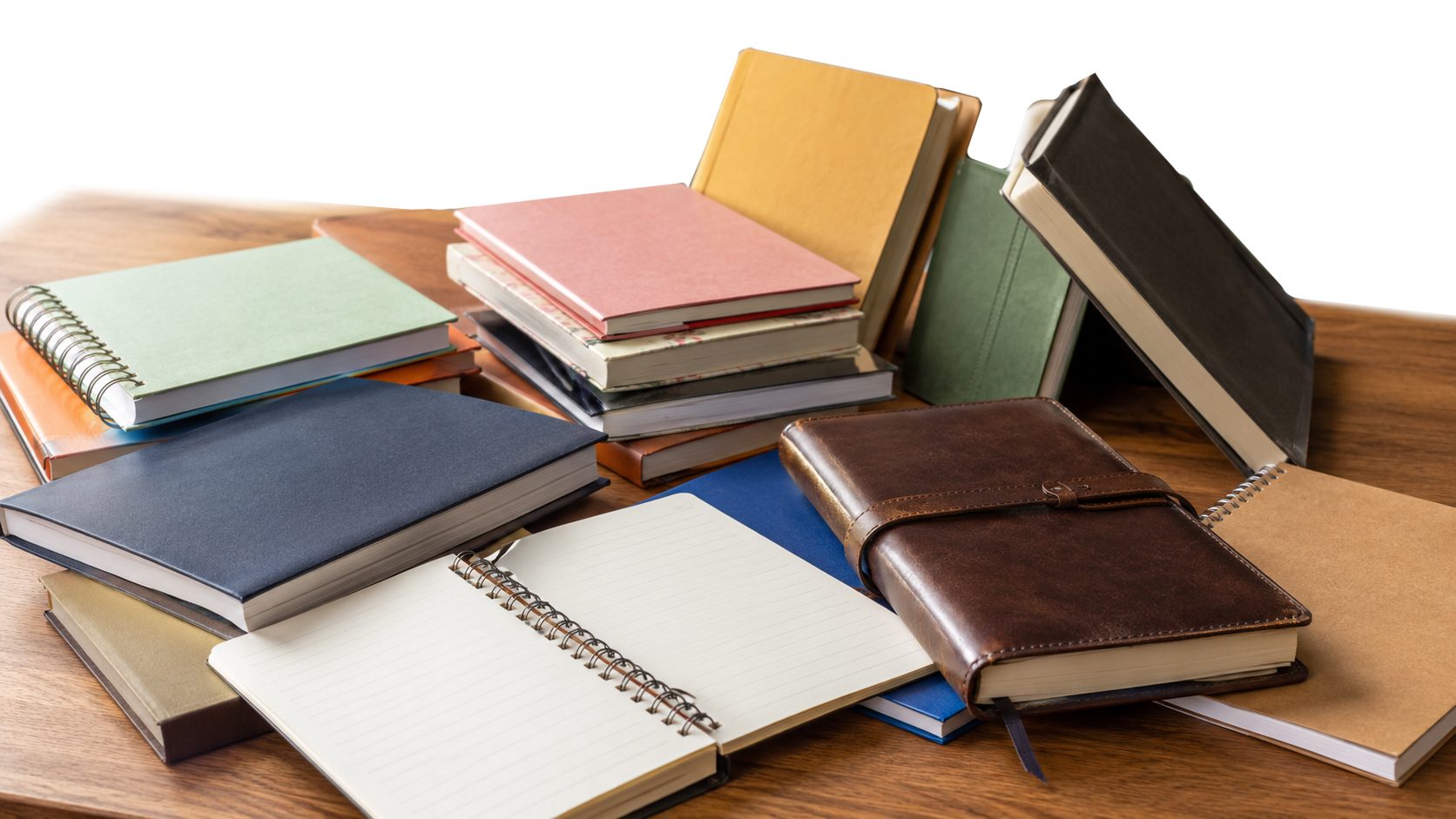
A paper planner is a physical notebook, diary, or agenda designed to organize your time, goals, appointments, and tasks in written form. Unlike digital calendars or apps, it relies on handwriting and page layouts to support planning sessions.
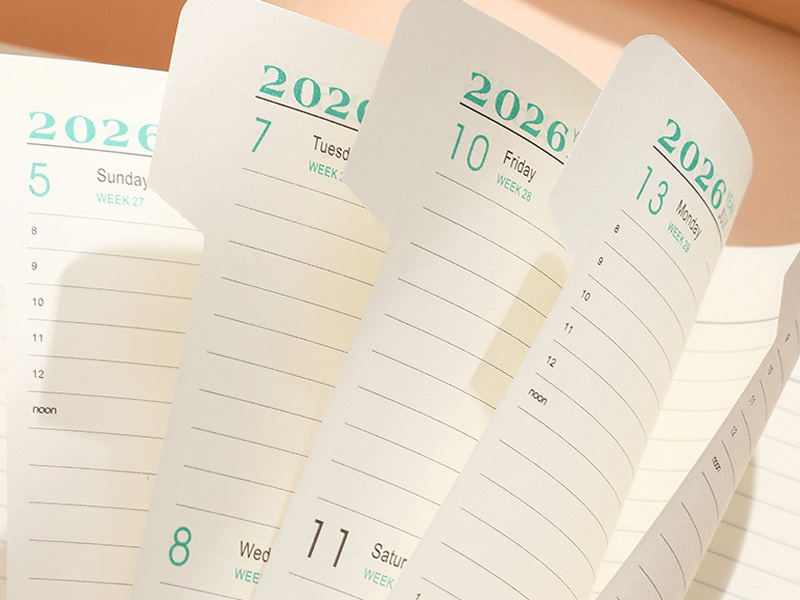
- Daily, weekly, and monthly layouts
- Space for goals, notes, and reflections
- Customizable with stickers, colored pens, and handwritten icons
Paper planners give users a tangible way to plan and reflect, much more than just digital checkboxes. They remain popular despite mobile apps and calendars.
Why Use a Paper Planner Instead of Digital Tools?
Why Does Writing on Paper Improve Planning?
Writing by hand engages the brain differently than typing or digital tapping. Studies have shown that handwriting increases brain connectivity related to memory and learning.
- Reduced Digital Distractions: No notifications or alerts means deeper focus.
- Better Memory Retention: Handwriting helps information “stick” in your mind.
- Creative Thinking: Physical planning sparks idea formation and problem solving.
These benefits make paper planners valuable for students, professionals, and creatives alike.
How Does a Paper Planner Help With Memory and Focus?
Using a paper planner has been linked with improved focus in a world full of digital interruptions. One key advantage is that paper planners allow deep, uninterrupted engagement with your schedule.
| Benefit | How It Helps |
|---|---|
| Memory Retention | Handwriting stimulates neural pathways, improving recall. |
| Reduced Distractions | No notifications to pull you away from planning. |
| Goal Clarity | Writing goals makes them more tangible and actionable. |
Which Planner Style Should You Choose?
Your choice depends on your personal goals and working style.
- Daily Planners: Great for detailed task lists and hourly planning.
- Weekly Planners: Best for overview of tasks and balance.
- Monthly Planners: Useful for long-term goals and deadlines.
Many planners combine multiple views so you can zoom in and out on your goals and schedule.
What Are Effective Planning Techniques?
To get the most from your paper planner, adopt these proven techniques:
- Weekly Review: Every week, review and transfer tasks.
- Time Blocking: Allocate chunks of time to tasks to avoid overcommitment.
- Color Coding: Use colored pens or markers to categorize priorities.
- Reflect and Refine: Take time to reflect on what worked and what didn’t.
How to Make Paper Planning a Daily Habit?
Making paper planning an ingrained part of your routine doesn’t happen overnight. Try the following:
- Set a consistent planning time each day (morning or evening).
- Keep your planner in sight — on your desk or bag.
- Use prompts and stickers to make planning enjoyable.
Persistence and personalization are key to turning planning into a habit that sticks.
Frequently Asked Questions
Q: What makes a paper planner different from a digital planner?
A: A paper planner involves writing by hand, which reduces digital distractions and can improve memory retention. Unlike digital tools, it doesn’t depend on batteries, apps, or software.
Q: Why do people find paper planning more satisfying?
A: Many users report that physically crossing off tasks feels more rewarding than tapping digital checkboxes — a psychological boost that enhances productivity.
Q: How often should I use my paper planner?
A: Ideally daily — check it each morning and review again at night. This consistent loop reinforces habits and helps you stay on track.
Q: Can paper planners help reduce stress?
A: Yes — planning tasks on paper gives clarity and control, reducing mental clutter and anxiety about forgetting.
Q: Is personalization important?
A: Absolutely — customizing your planner with colors, labels, and notes makes it more engaging and tailored to your needs.
At NINGBO BRT IMP & EXP Co., Ltd., we understand how powerful a simple paper planner can be for organizing life, reducing stress, and achieving goals. Whether you’re managing daily tasks, long-term projects, or creative pursuits, a structured paper planner can be the backbone of your productivity system.
Related News
- Print Finishing Techniques: Lamination, Foil, UV, Embossing & Die Cutting
- Paper Printing Methods: How B2B Buyers Can Choose the Right Printing Process
- How Should B2B Buyers Compare Packaging Costs for Cross-Border Stationery Orders
- Sewn, Spiral or Glue Binding: Which Notebook Construction Is Best?
- OEM vs ODM Stationery for Retail Brands: How to Choose the Right Sourcing Model
- Pencil Case Materials, Styles, Features Guide
Leave me a message