
The "Green" Revolution in Stationery: How Supply Chain Innovation is Making Sustainability Affordable
1. Material Innovation at Scale
We are no longer just molding plastic. Chinese industrial clusters are now heavily investing in material science.
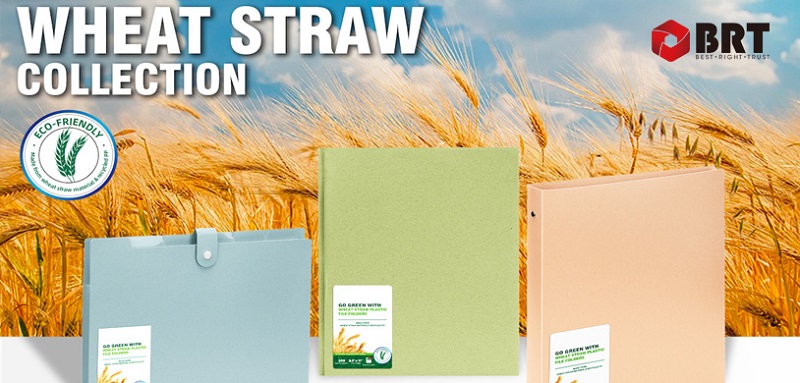
Wheat Straw & PLA: We have matured the technology to mix agricultural waste (wheat straw) with PP or PLA. This reduces plastic usage by 30-50%.
Recycled PET (rPET): Turning water bottles into high-quality pen bodies is now a standard, scalable process, not a costly experiment. Because we produce these materials in massive volumes, the "Green Premium" (the extra cost for being eco-friendly) has dropped significantly. We are now able to offer sustainable pens at prices very close to traditional plastic ones.
2. The "Aesthetic" Factor
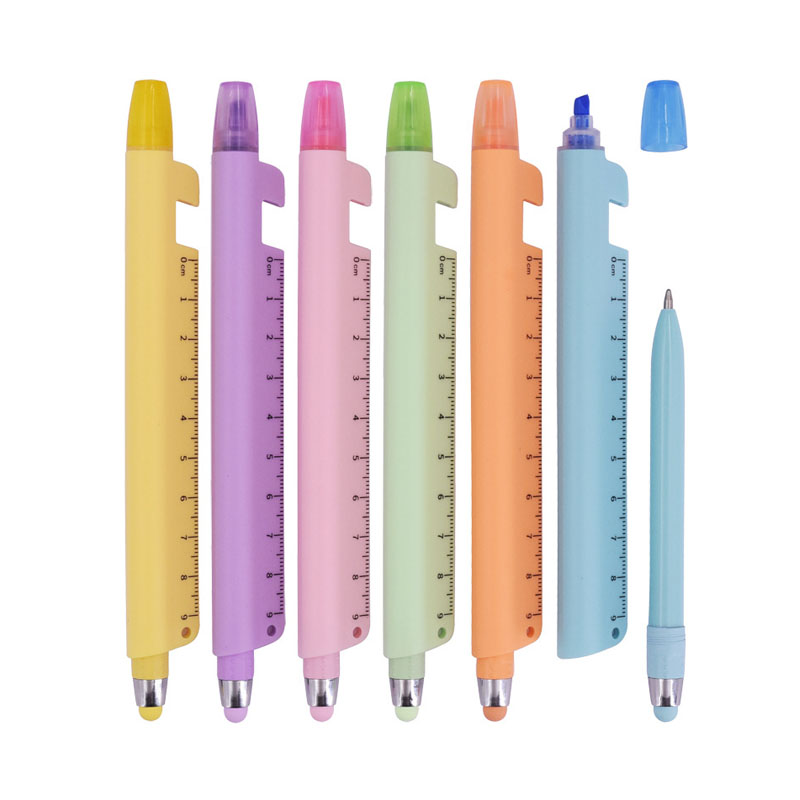
Cost-performance isn't just about the bill of materials; it's about sell-through rates. Modern consumers (Gen Z and Millennials) don't just want a green pen; they want a beautiful pen. Chinese manufacturers have rapidly adapted to global design trends—minimalist, Morandi colors, and matte finishes. We are combining sustainable materials with high-end industrial design. High Value = Good Design + Eco Materials + Low Cost. This is the new formula we deliver.
3. Agility for Private Labels
The rise of the "Creator Economy" and boutique brands means order sizes are shrinking, but variety is increasing. We have adapted our production lines to support:
Lower MOQs for custom colors.
Rapid Prototyping (3D printing samples in 48 hours).
Custom Sustainable Packaging (FSC-certified paper boxes instead of blister packs).
The Bottom Line Sourcing from China in 2024 is not about finding the "cheapest labor." It is about tapping into a sophisticated, integrated supply chain that has figured out how to mass-produce the future of stationery.
We are helping global brands transition to sustainability without destroying their profit margins.
If you are a buyer looking to upgrade your stationery catalog with products that are both planet-friendly and profit-friendly, let’s have a conversation. The capabilities of Chinese manufacturing might surprise you.
#NingboBRT #stationery #Sustainability #SupplyChain #Manufacturing #B2B #ChinaSourcing
Related News
- Print Finishing Techniques: Lamination, Foil, UV, Embossing & Die Cutting
- Paper Printing Methods: How B2B Buyers Can Choose the Right Printing Process
- How Should B2B Buyers Compare Packaging Costs for Cross-Border Stationery Orders
- Sewn, Spiral or Glue Binding: Which Notebook Construction Is Best?
- OEM vs ODM Stationery for Retail Brands: How to Choose the Right Sourcing Model
- Pencil Case Materials, Styles, Features Guide
Leave me a message